
Academic and professional integrity
On this page
In medical and dental school, students must meet certain requirements for academic group work. They must collaborate effectively to develop the teamwork, communication and problem solving skills that are essential for clinical practice.
Working in groups enhances learning by exposing students to diverse perspectives and requiring communication with peers from different backgrounds.
Strong group work skills help to prepare students for their future work in multidisciplinary healthcare teams. Thus, group work as a student is the first step towards improving patient care and clinical outcomes for future doctors and dentists.
Group work requires effective collaboration, which helps improve problem solving and critical thinking skills.
Everyone involved in a piece of group work must participate equally in planning and completing the work.
Students must watch out for unequal participation, which can hinder group dynamics and result in a work imbalance.


Academic group work introduces students to many of the core principles of good medical practice.
According to the Achieving Good Medical Practice booklet, students must:
- Collaborate fairly and respectfully – Contribute equitably to group tasks, respect differing perspectives, and ensure all members have a chance to participate.
- Communicate professionally – Engage in clear, courteous, and constructive discussions, maintaining a professional attitude in both academic and clinical settings.
- Uphold academic integrity – Ensure all work is honest and original, avoid plagiarism, and never falsely claim or misrepresent contributions within group projects.
- Take responsibility for shared learning – Support peers by sharing knowledge, giving constructive feedback, and using group work as an opportunity to develop teamwork skills essential for medical practice.
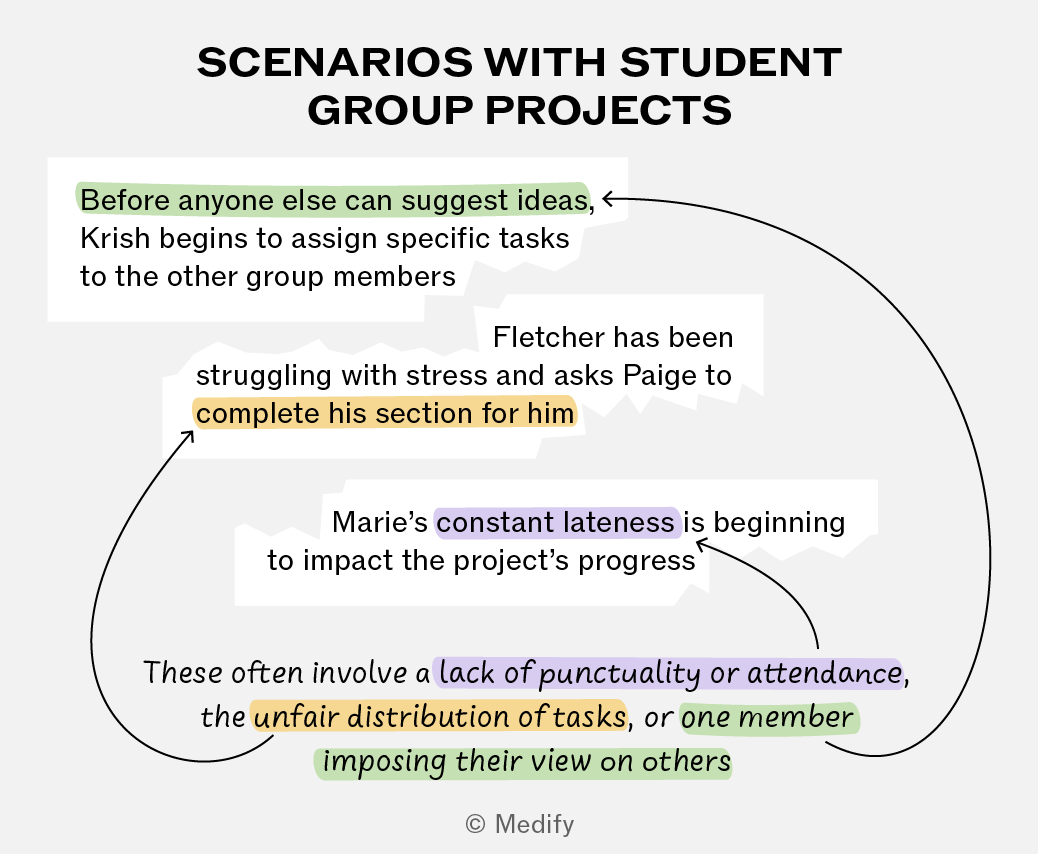
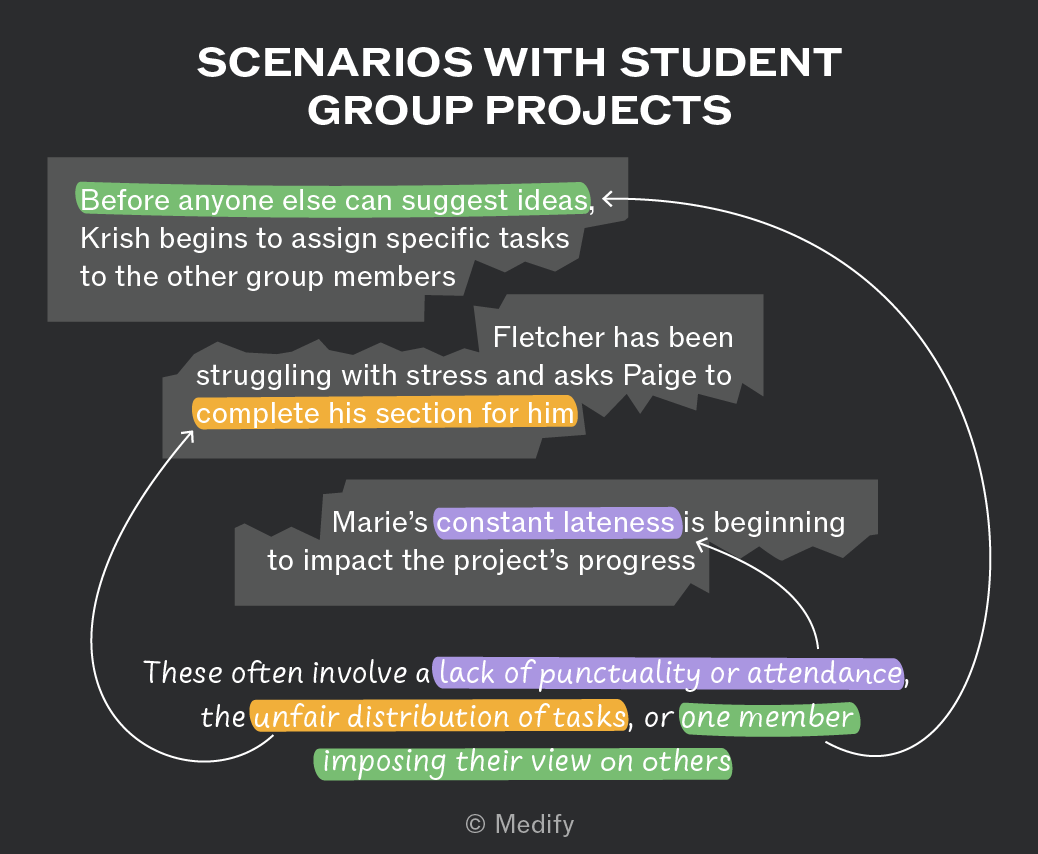
Some scenarios feature students working together on a group project.
Students completing group work must:
- Respect the opinions of others and make sure everyone is heard.
- Divide all work equally, including any research or preparation as well as the final essay, project or presentation that is assessed.
- Deal with problems locally in ways that de-escalate rather than amplify it.
Walkthrough question
Appropriateness - Academic group work
Let’s work through a regular Appropriateness set with a key issue related to students completing academic group work.
Academic misconduct covers any dishonest practice such as plagiarism, cheating or the falsification of data or academic records that could undermine integrity, professionalism or patient safety.
Doctors and medical students have a fundamental professional obligation to act with honesty and integrity.
Medical schools aim to promote a culture of academic integrity, so any academic misconduct is taken more seriously than if a student in another programme committed a similar offence.
This is because doctors must model ethical behaviour and challenge misconduct.
If medical schools are dishonest in their academic work or clinical training, it can lead to dishonesty in clinical practice.
Medical schools must therefore address misconduct early to prevent long-term risks to the profession, to patient safety and to public confidence in the profession.
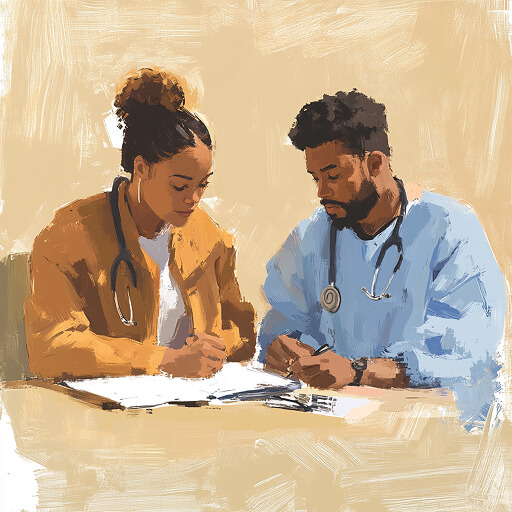

On the issue of academic misconduct, Achieving Good Medical Practice states that students must:
- Engage honestly in assessments – Always ensure that submitted work is your own, follow assessment rules, and never attempt to cheat or deceive in exams or coursework.
- Avoid plagiarism and false representation – Never copy, falsify or misrepresent work, including signing peers into sessions, forging supervisor signatures, or falsifying feedback.
- Follow assessment regulations – Cheating in exams, sharing exam content or collaborating dishonestly on individual assignments is a serious breach of professionalism.
- Report concerns when necessary – If you witness academic misconduct, you have a responsibility to report it through the appropriate channels.
Some scenarios involve cheating or academic misconduct.
Deciders who encounter others behaving in this way, or who are thinking of behaving this way themselves, must:
- Never participate, encourage, condone or allow it.
- Take steps to address it directly and locally.
Transparency and honesty are bedrock principles of medical ethics and professional standards, so look out for actions or factors that relate to covering up the dishonest act – these are always very inappropriate.
Walkthrough question
Importance - Academic misconduct
Let’s look at an Importance set featuring a key issue related to academic misconduct.
Doctors and medical students must take responsibility for their own learning to maintain competence, improve patient care and uphold professional standards.
Doctors must engage in continuous learning and reflection as a fundamental professional requirement.
Medical students must actively seek knowledge that includes curricular and practical work but that also goes beyond formal teaching.
This means an active engagement in self-directed learning in order to:
- Foster critical thinking and adaptability.
- Refine the skills needed to navigate the complexities of medical practice.
- Develop the ability to self-regulate your learning strategies.
- Prepare for the demands of lifelong learning central to the medical profession.
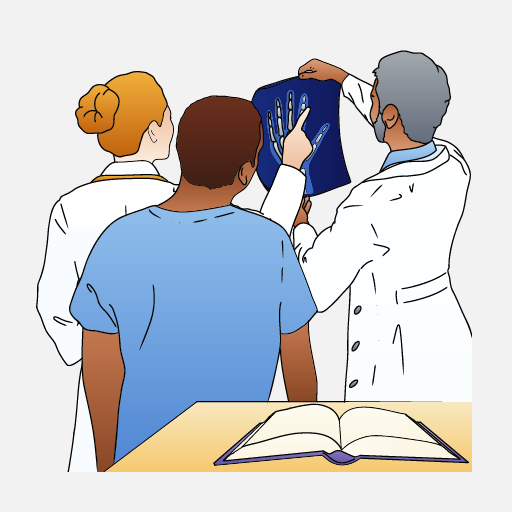
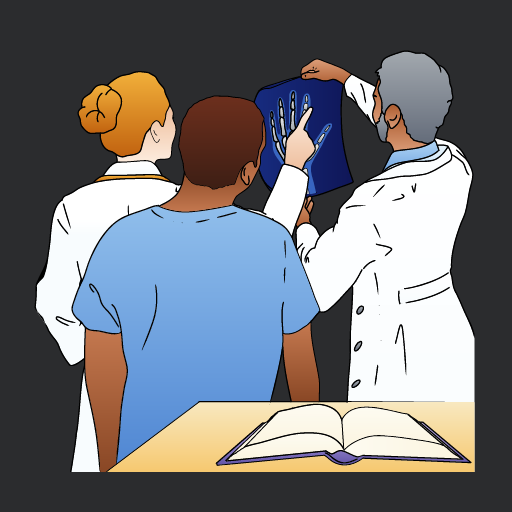
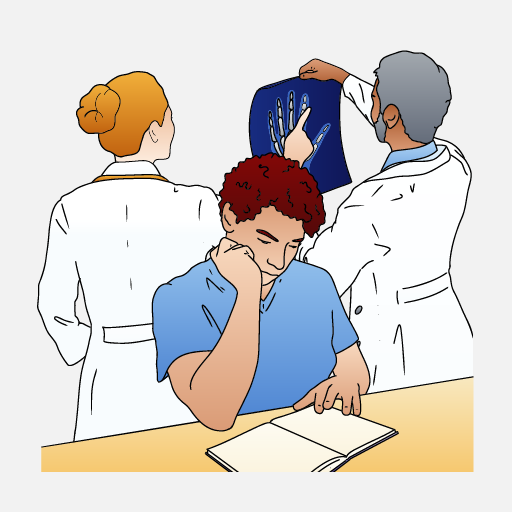
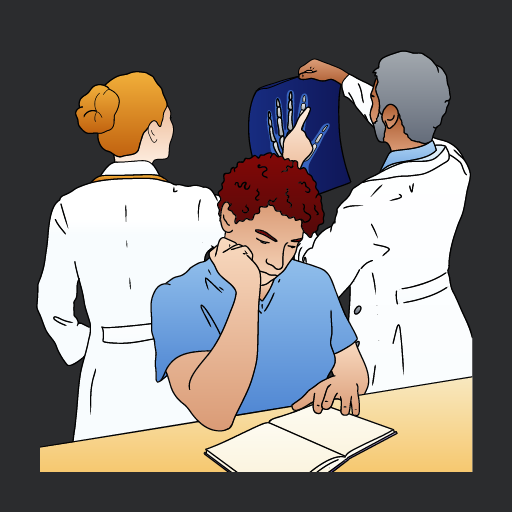
Doctors must mentor students in setting goals and self-reflection.
A proactive learning mindset will strengthen professional development.
Continuous learning improves patient care and public trust in the medical profession.
You’ll find guidance for doctors on the topic of taking responsibility for one’s own learning in the Achieving Good Medical Practice booklet:
- Engage in lifelong learning – Stay up to date with medical knowledge, guidelines and skills, ensuring continuous professional development.
- Seek learning opportunities – Actively participate in training, mentorship and clinical discussions, taking initiative in your professional growth.
- Reflect on your practice – Regularly assess your strengths and areas for improvement, using feedback and experience to guide development.
- Maintain professional competence – Recognise the limits of your knowledge and skills, seeking help or further education when necessary.
- Use evidence-based practice – Apply current research, guidelines and best practices to deliver high-quality, safe and effective patient care.
Taking responsibility for your own learning is an important aspect of a medical student’s education. According to the Achieving Good Medical Practice booklet, students must:
- Engage fully with your course – Attend lectures, seminars and placements, complete coursework, and actively participate in learning opportunities as required by your medical school.
- Respond to feedback – Reflect on verbal and written feedback from lecturers, supervisors and peers, using it to improve your knowledge and skills.
- Take an active role in self-development – Be proactive in managing your learning by keeping your knowledge up to date and identifying areas for improvement.
- Follow medical school policies – Comply with all assessment regulations, meet deadlines and engage with routine evaluations, such as placement feedback systems.


The key issues in some scenarios relate to the need for doctors and medical students to take responsibility for their own learning or professional development.
Doctors and medical students are expected to actively engage with their learning and development. They also have a responsibility to keep their knowledge up to date.
Deciders are required to:
- Speak up when their learning or professional development is being negatively impacted.
- Seek out learning or development opportunities, especially when more senior colleagues are busy.
- Manage their time professionally so that opportunities for learning or development are not squandered.
Walkthrough question
Appropriateness - Responsibility for own learning
Let’s look at a regular Appropriateness scenario with a problem related to taking responsibility for one’s own learning.
For doctors and medical students, dealing with feedback means engaging with constructive criticism to improve clinical skills, professional behaviour and patient care.
Doctors and medical students have a professional and ethical obligation to reflect and act on feedback.
Feedback is critical for growth, as it helps bridge the gap between theory and clinical practice.
It is considered unprofessional behaviour for medical students to be unwilling to learn when others offer constructive feedback – whether the feedback comes from doctors, fellow students or other staff or individuals in a clinical setting. This includes patient feedback.
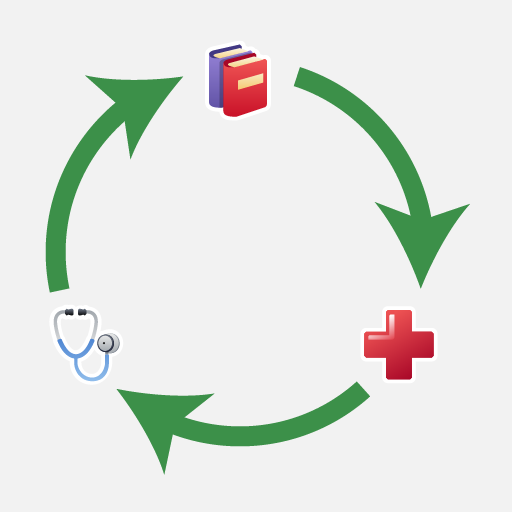
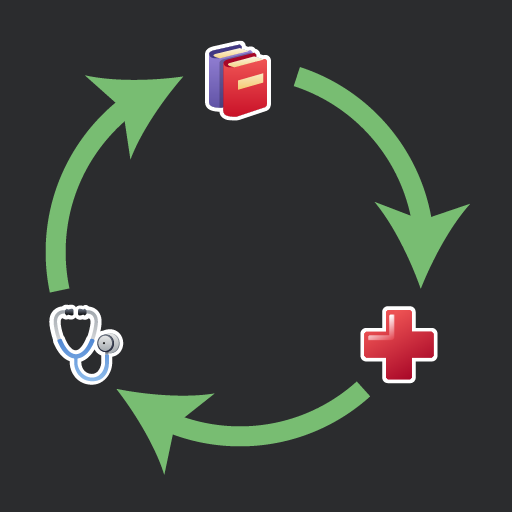
Doctors must model openness to feedback and provide clear, timely guidance to colleagues and medical students.
A culture of regular, actionable feedback will help to strengthen learning and safety.
Responding well to feedback builds resilience and reinforces lifelong learning habits.
You’ll find guidance for doctors on the topic of dealing with feedback in the Achieving Good Medical Practice booklet:
- Be open to feedback – Listen without defensiveness and reflect on constructive criticism, recognising it as an opportunity for growth.
- Act on feedback – Identify areas for improvement and implement changes, using feedback to enhance clinical skills and professional behaviour.
- Seek feedback proactively – Regularly ask colleagues, supervisors and patients for input, fostering continuous development and self-awareness.
- Give feedback constructively – Provide honest, respectful and specific feedback to colleagues, supporting their learning and improvement.
- Reflect and document learning – Keep records of feedback received and how it has influenced your practice, demonstrating commitment to development.


In regards to dealing with feedback, Achieving Good Medical Practice states that students must:
- Engage fully – Actively seek and reflect on feedback from supervisors, peers, and patients to improve skills and professionalism.
- Respond constructively – Accept criticism with openness, avoid defensiveness, and create action plans for improvement.
- Apply what you learn – Implement feedback in practice, demonstrating growth and a commitment to high standards.
Some scenarios deal with assessments, and in particular how a doctor or medical student reacts to receiving negative feedback on their performance.
Often this kind of feedback is delivered by someone more senior, such as a consultant or GP.
In this kind of scenario, a doctor or medical student receiving feedback is expected to:
- Respond in a professional and constructive manner.
- Reflect on the reasons they have received it.
- Communicate openly and honestly with their colleagues and peers.
Walkthrough question
Appropriateness - Dealing with feedback
Let’s look at a regular Appropriateness scenario with a problem related to dealing with feedback.