
Problem solving in Section III
On this page
The ‘reasoning’ focus of GAMSAT means all questions involve some problem solving.
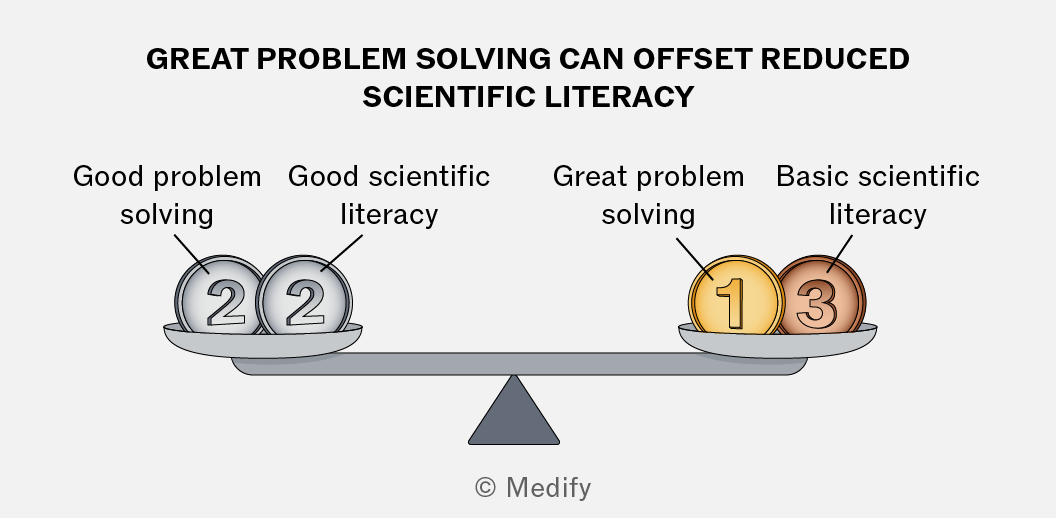
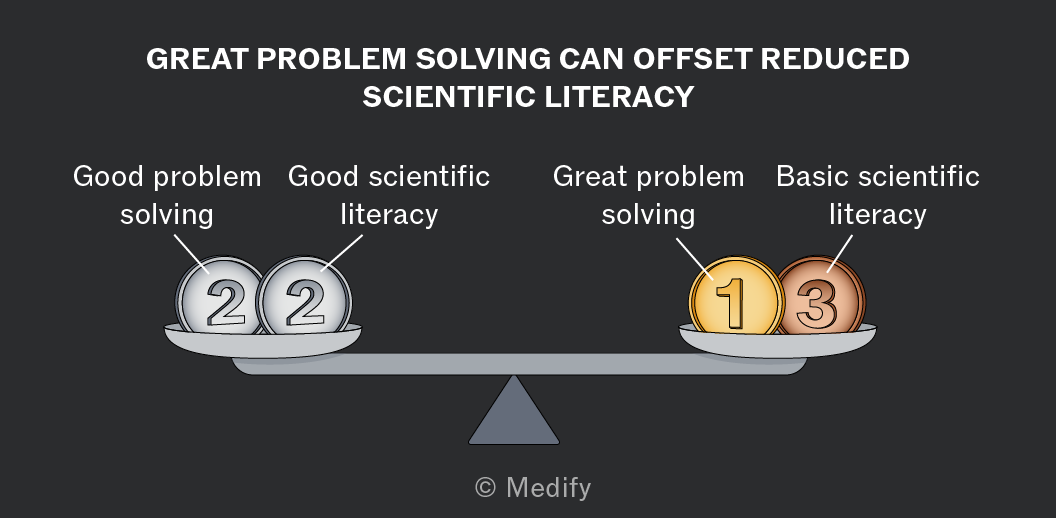
In Section III, your scientific literacy will impact how much you need to rely on problem-solving, and vice versa.
Without strong skills in data manipulation and calculation, you will be forced to guess some questions, as these skills are largely independent of the other two.
GAMSAT questions rarely get straight to the point in their asks.
One of the most important skills for problem solving in Section III is the ability to comprehend the question and determine what it asks. In this sense, it is hard to fully separate scientific literacy and problem-solving.
If you fully comprehend a question, you will be able to:
- State the question in ‘plain English’
- Rephrase the question in different ways
One way to improve your comprehension of both the stimuli and the questions is to improve your scientific vocabulary. This can be done through casual reading of scientific materials as well as through formal study of etymology.
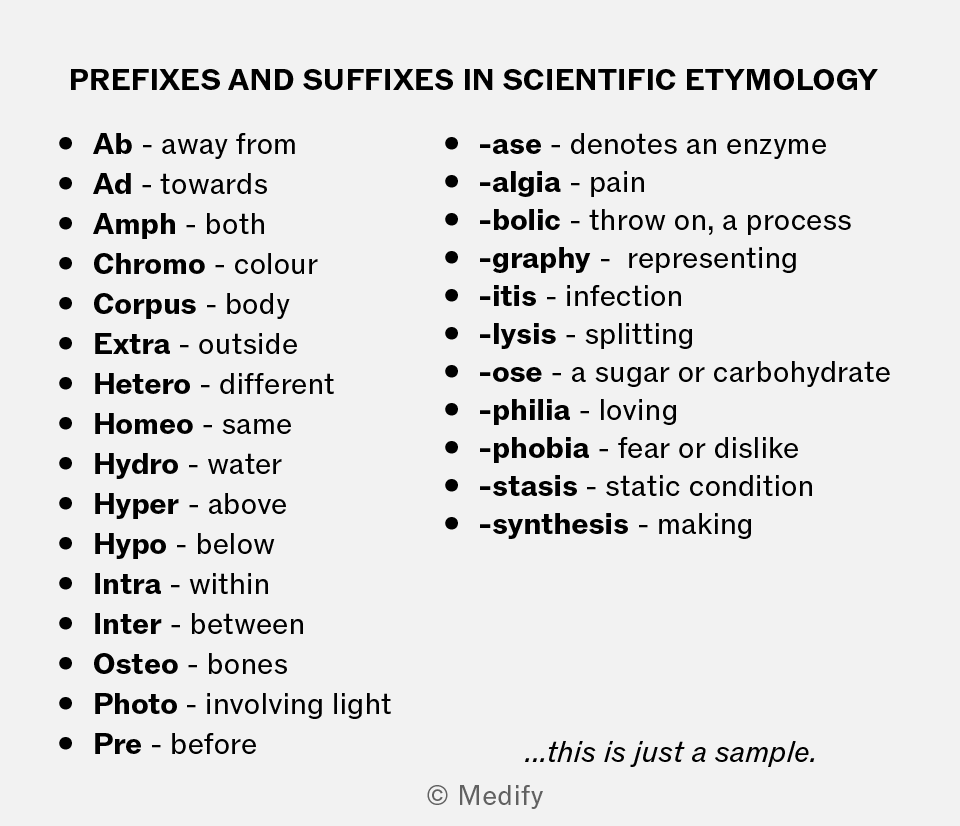
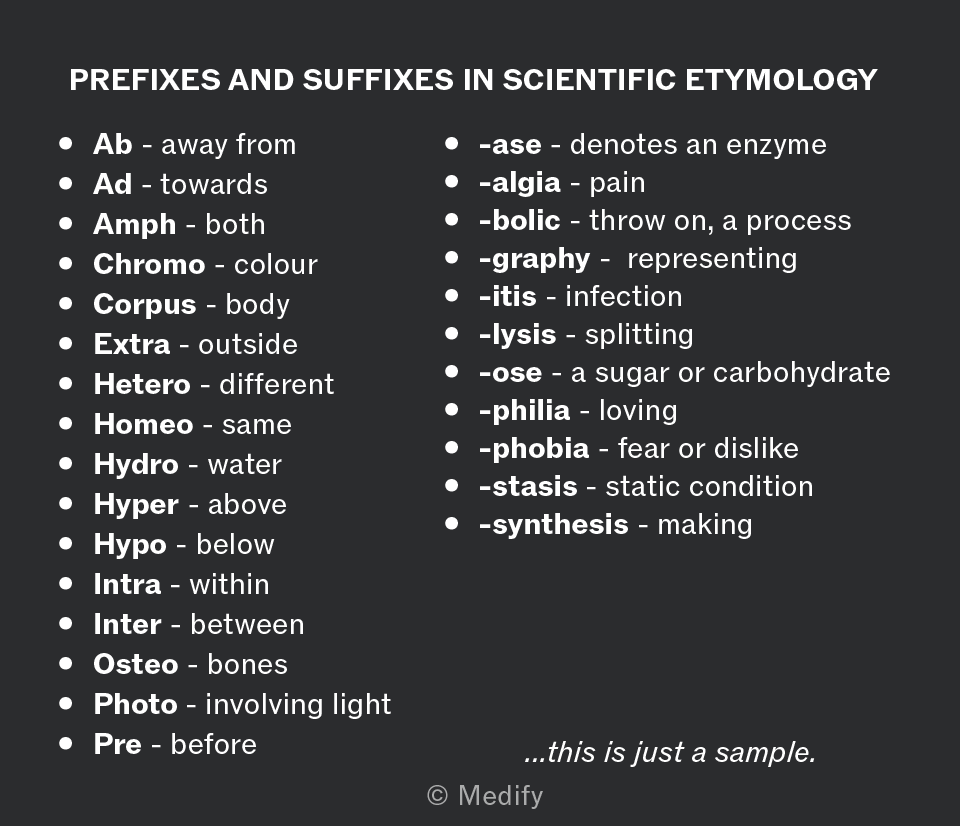
Etymology is the study of the origin of words.
If you know that:
- photosynthesis is ‘making with light’ and
- hydrolysis is ‘splitting with water’
You can probably guess that photolysis involves splitting with light.
Understanding the question is more important than understanding the stimulus.
Section III stimuli are often dense, packed with graphs, equations, and paragraphs of context. Not all of the content in the stimulus will be needed to answer the questions.
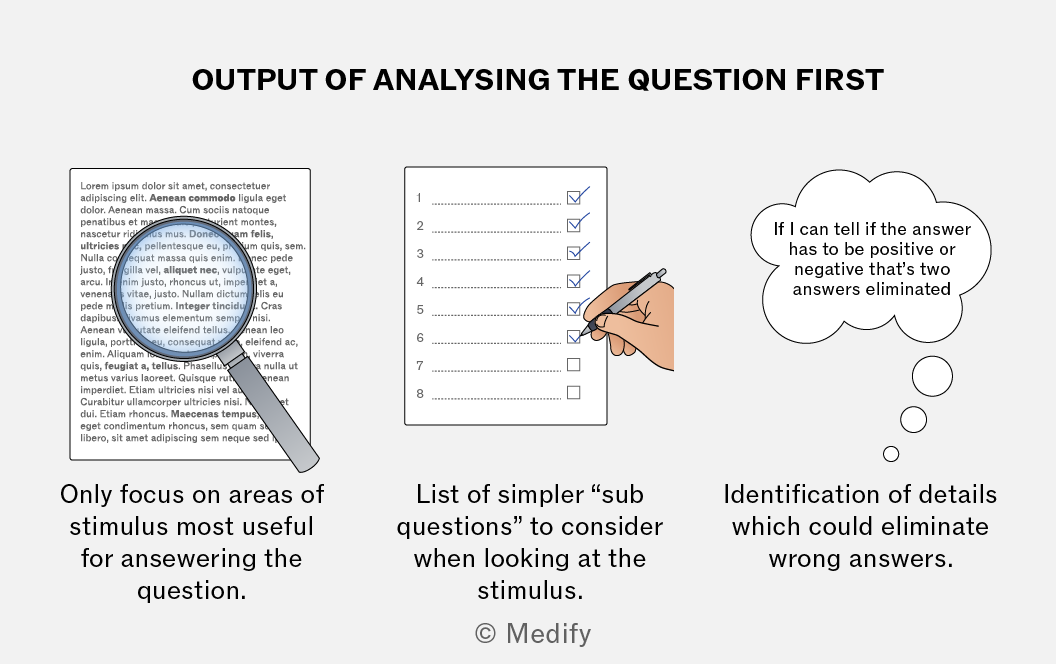
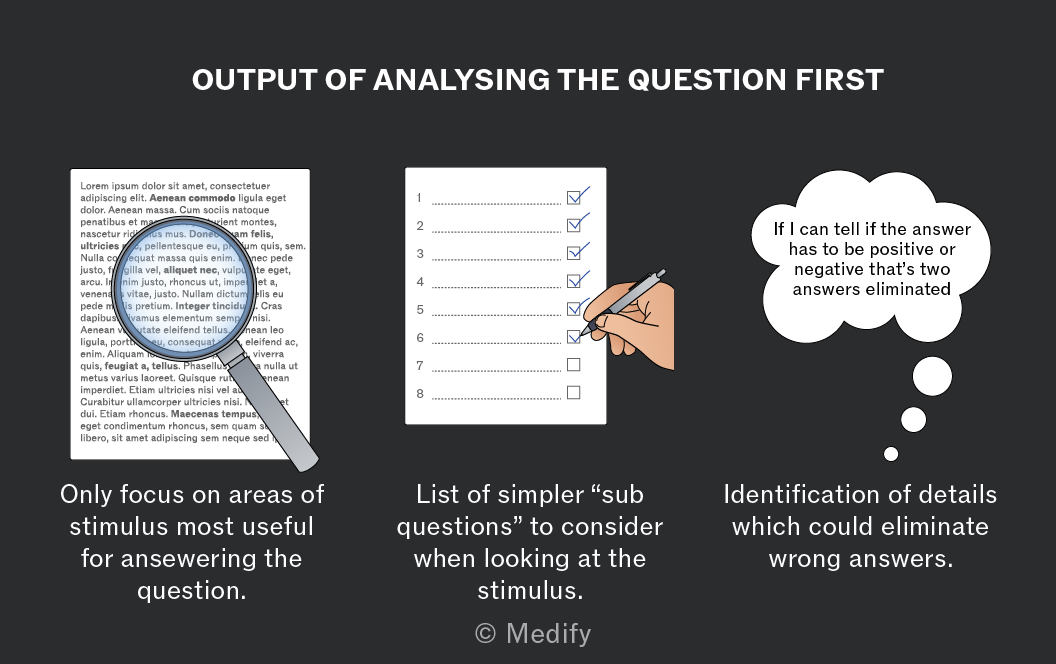
Skim read the stimulus for context, then read the questions. You will transform passive reading into active, targeted analysis. You’ll know what to look for, which data points matter, and what you can safely ignore.
Return to the stimulus with purpose. Only read in detail when a specific question demands it.
In a time-pressured exam like the GAMSAT, this can be a critical technique for saving time.
It can help to work on your problem-solving skills outside a scientific context to explore different ways of thinking.
You can utilise the same reasoning skills found in some sections of the UCAT in Section III of GAMSAT. In GAMSAT, sets are less formulaic, so the skills required are less obvious.
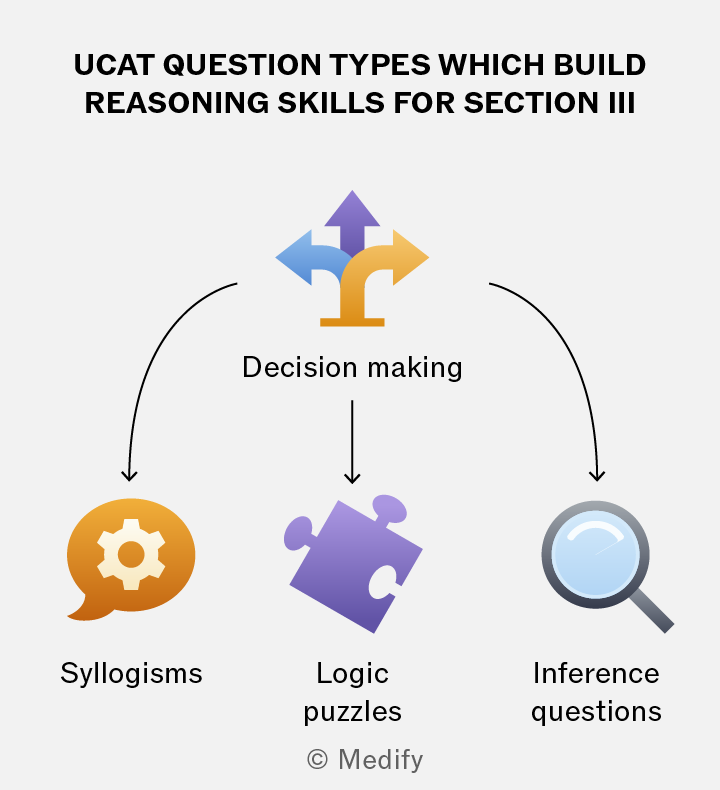
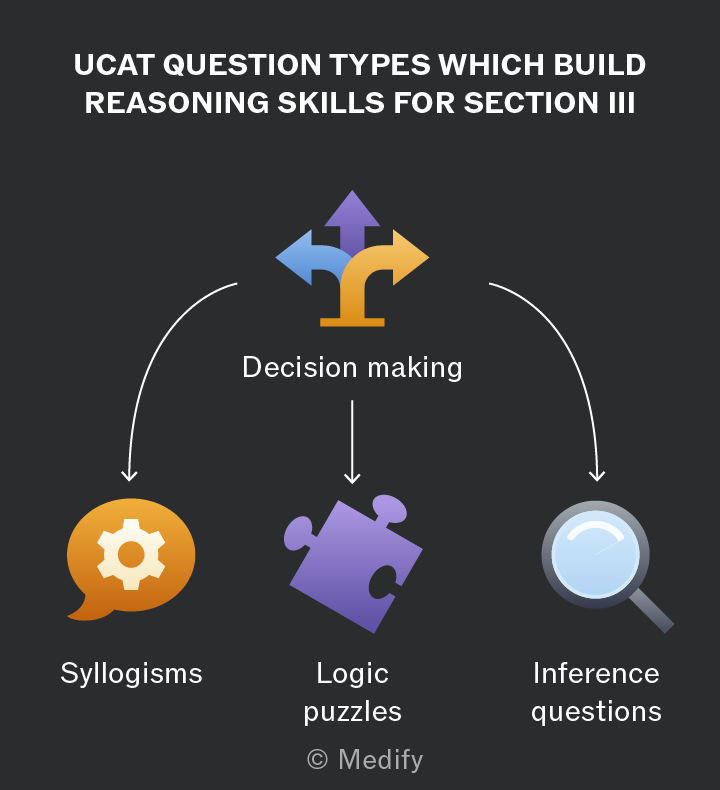
If you are practising for GAMSAT within the Medify platform, you also have access to all the UCAT material, so make use of the Decision Making question bank.