
DNA, genes and chromosomes (3.4.1)
On this page
The genetic code is the set of rules by which the information encoded within DNA or RNA sequences is translated into proteins by living cells.
This code specifies how sequences of nucleotides correspond to specific amino acids, which are the building blocks of proteins.
The genetic code is written in triplet codes, which are sequences of three nucleotides and referred to as codons.
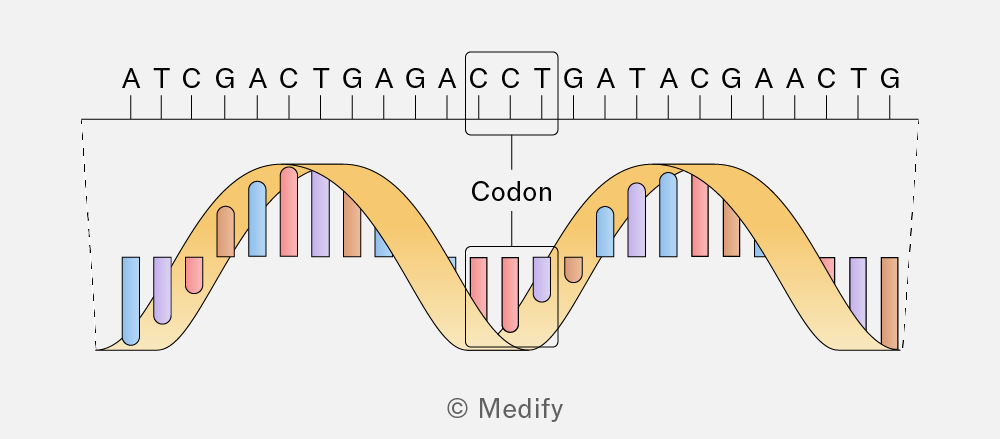
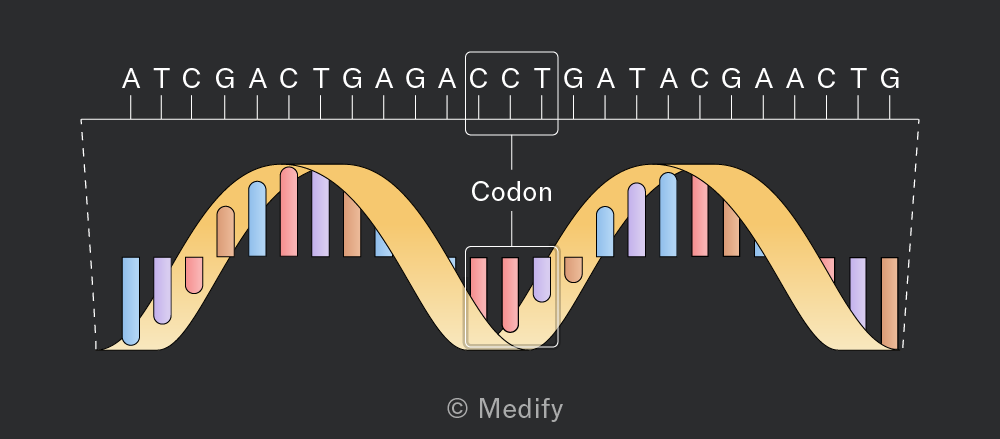
Each DNA codon corresponds to a specific amino acid, or to a ‘start’ or ‘stop’ command during protein synthesis.
For example, the codon AUG codes for the amino acid methionine, which also serves as the start codon.
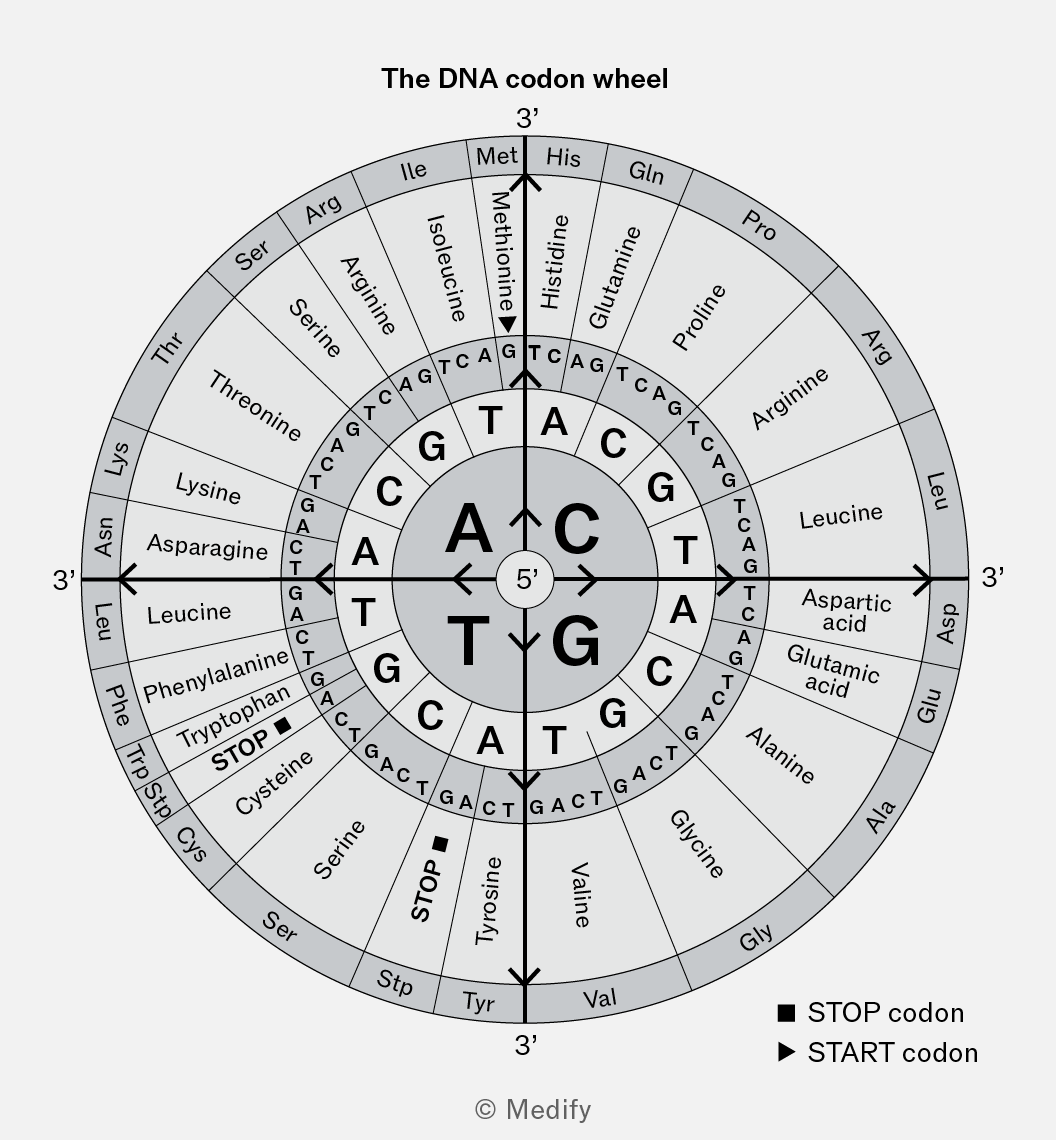
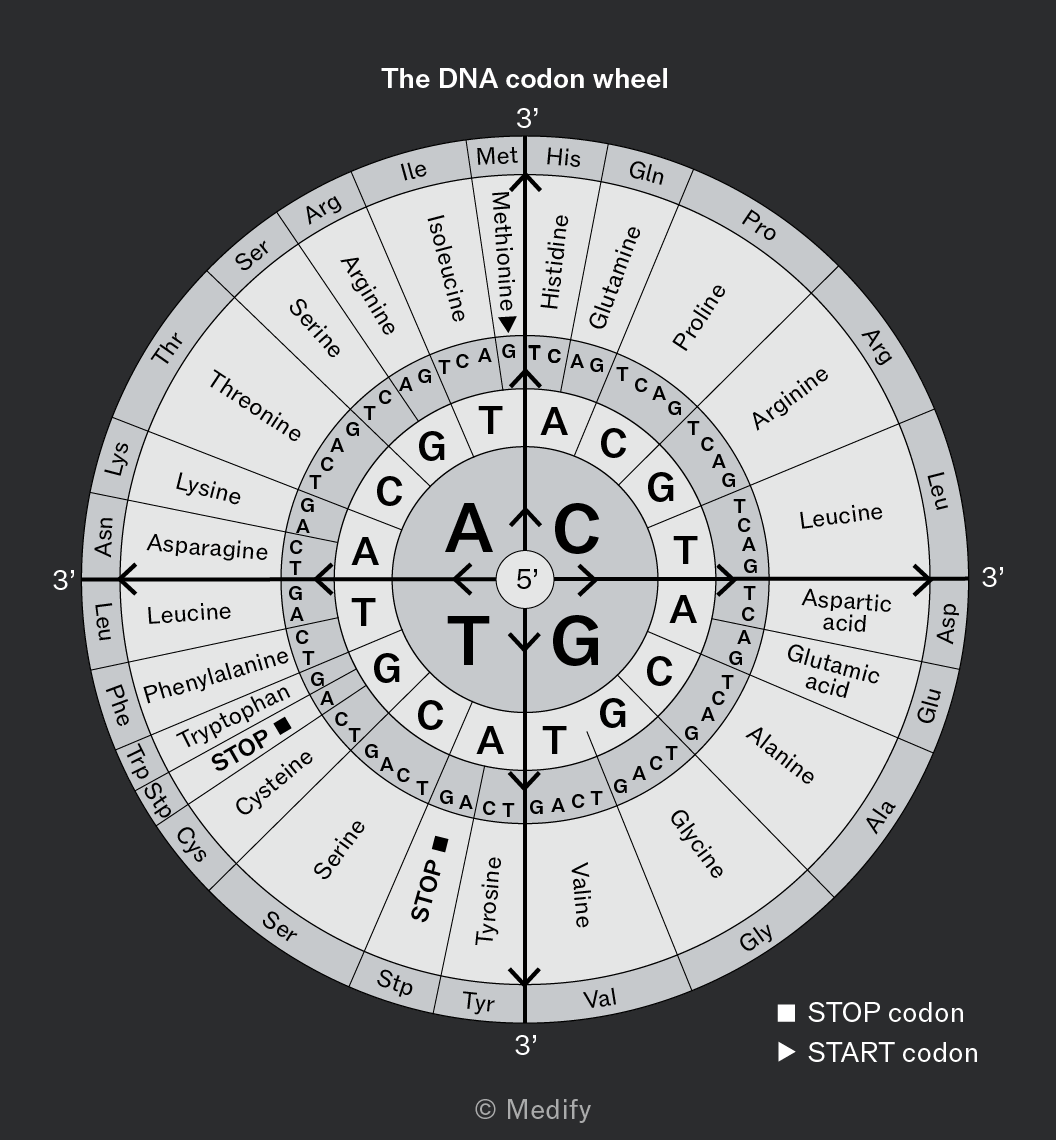
The genetic code is non-overlapping, meaning that each nucleotide is part of only one codon.
This linear and non-overlapping reading frame is critical. A shift in the reading frame is known as a frameshift mutation. This can lead to the placement of an incorrect amino acid in a polypeptide chain or the incorrect ‘reading’ of a stop codon, resulting in a truncated or non-functional protein.
The genetic code is degenerate, which means that multiple codons can code for the same amino acid.
For example, the amino acid leucine is coded by six different codons (UUA, UUG, CUU, CUC, CUA, CUG).
This redundancy is beneficial because it provides a ‘buffer’ against mutations. A mutation in one nucleotide of a codon might not change the amino acid it codes for, thereby minimising the impact on the protein’s structure and function.
Methionine and tryptophan are the only amino acids that are coded by a single codon (AUG and UGG, respectively).
The genetic code is universal, meaning that the same codons specify the same amino acids across almost all living organisms.
The universality of the genetic code suggests a common evolutionary origin and allows for the possibility of genetic engineering, where genes from one organism can be expressed in another (e.g., using bacterial cells to produce human insulin).
In prokaryotic cells DNA is short, circular, and not associated with proteins. It is found free in the cytoplasm.
Prokaryotes may also have small, circular plasmids – extra DNA that can carry useful genes (e.g., antibiotic resistance).
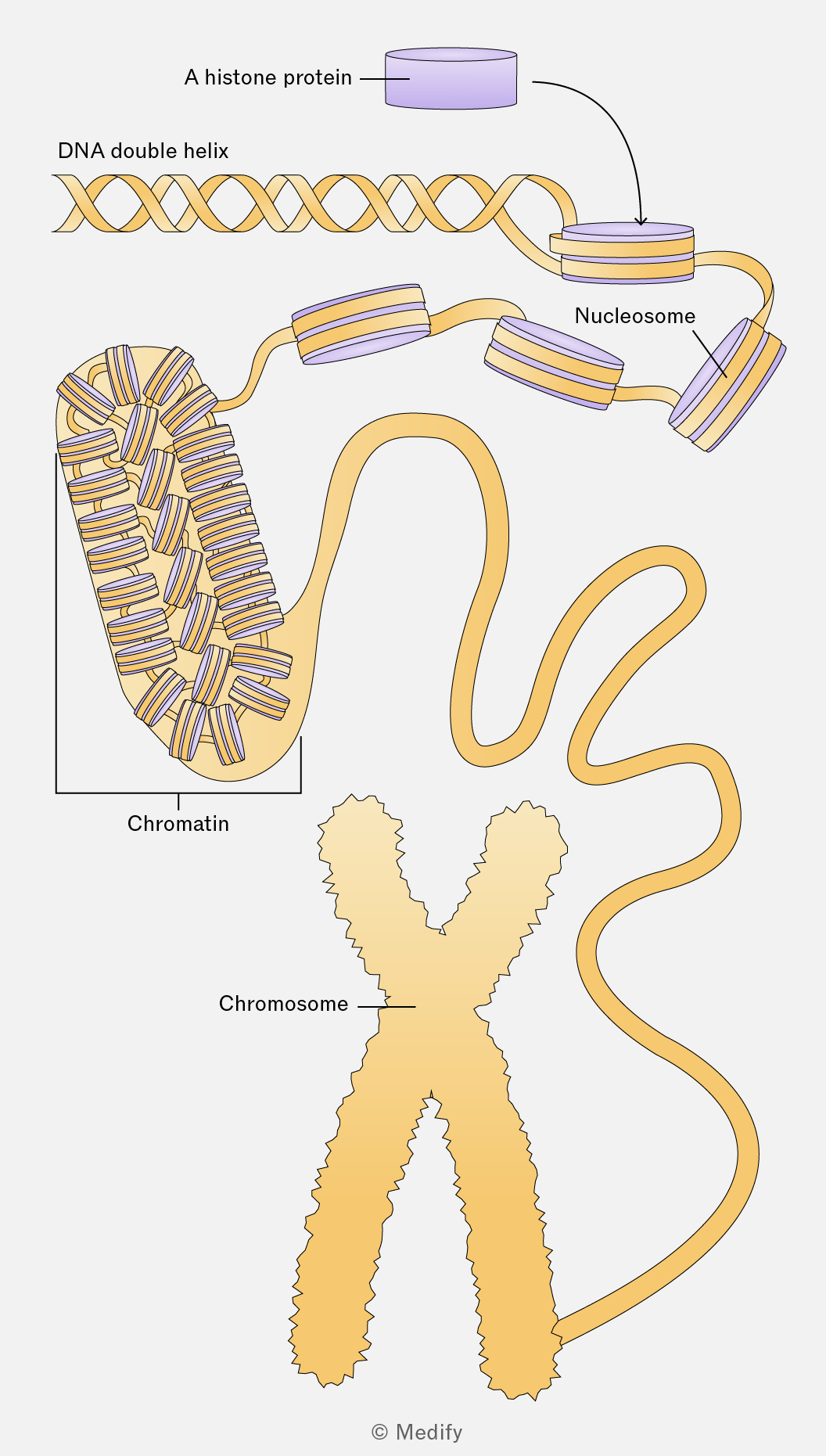
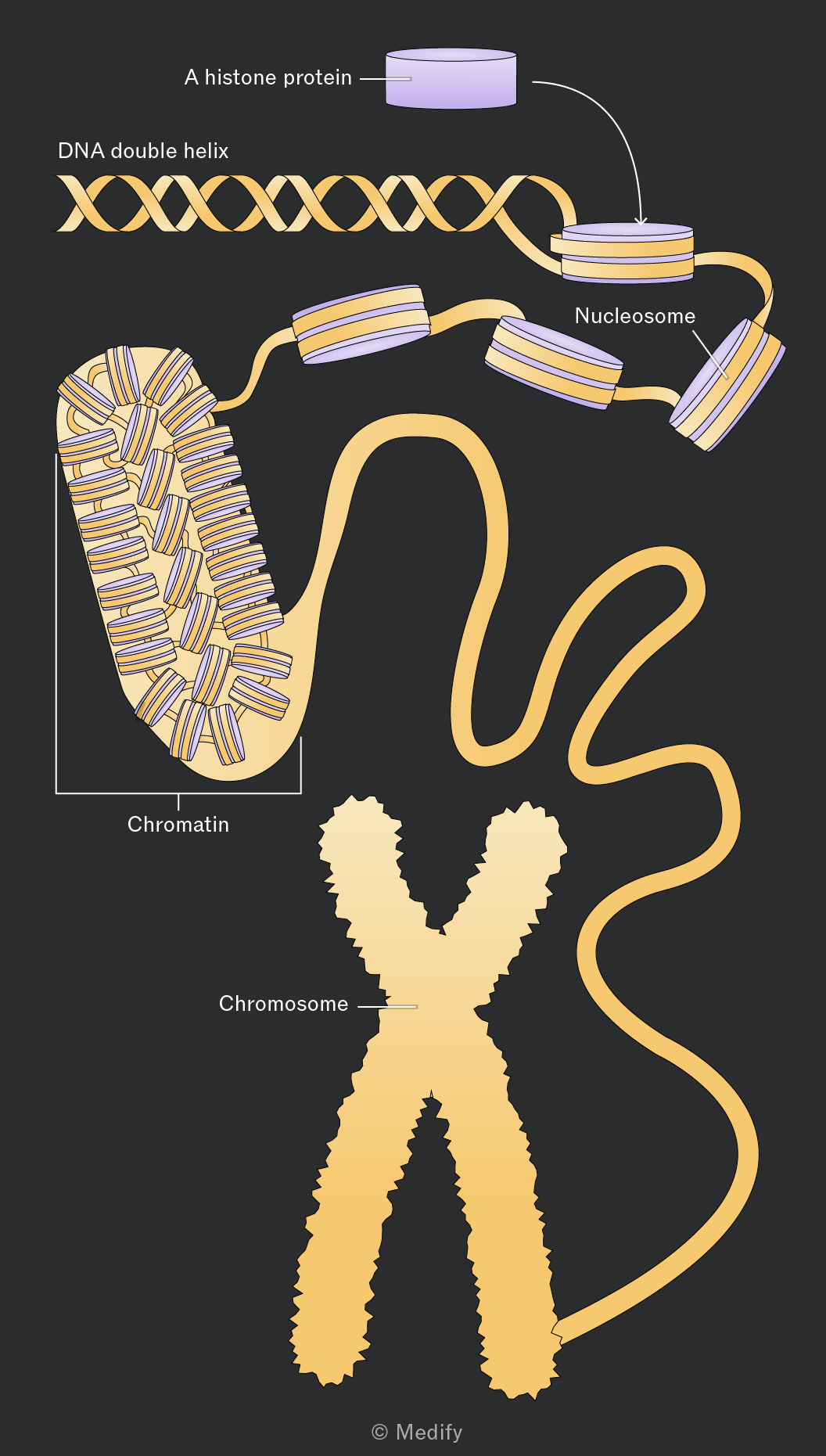
In eukaryotic cells DNA is long, linear, and tightly coiled around proteins called histones. It is found in the nucleus.
A DNA molecule associated with histones forms a chromosome. This structure helps organise DNA and regulate gene expression.
In eukaryotic cells, mitochondria and chloroplasts have their own DNA.
This DNA is short, circular, and not associated with proteins, similar to prokaryotic DNA.
It allows these organelles to produce some of their own proteins and enzymes needed for their functions, such as enzymes required for photosynthesis and respiration.
A gene is a sequence of DNA bases that contains instructions for:
- the amino acid sequence in a polypeptide chain
- or a functional RNA, such as ribosomal RNA (rRNA) or transfer RNA (tRNA).
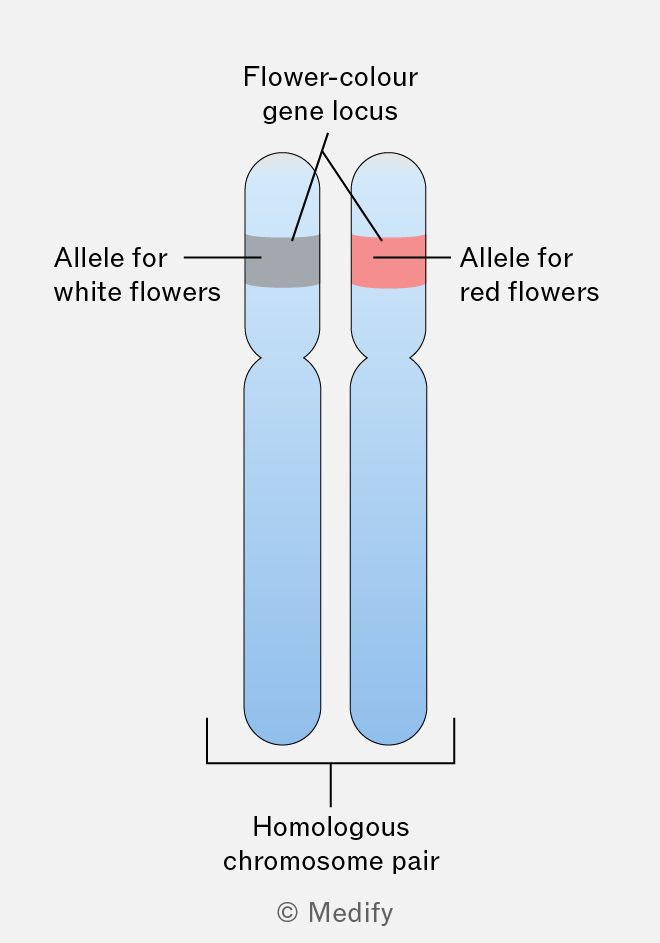
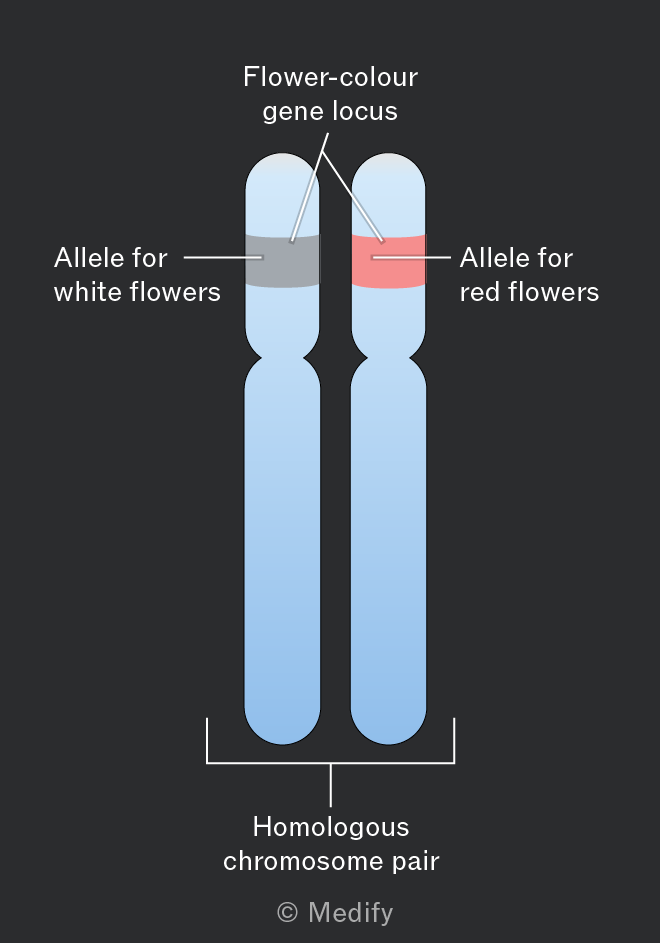
The location of a gene on a DNA molecule is fixed and called a locus.
Different versions of the same gene, alleles, are found at the same locus on homologous chromosomes.
In eukaryotes, much of the DNA is non-coding, meaning it does not code for a polypeptide or a functional RNA.
- Between genes there are non-coding repetitive sequences called multiple repeats. These are not transcribed.
- Within genes, there are coding regions for amino acids called exons, while introns are non-coding sections that are transcribed but must be removed during mRNA splicing.