
RP1 - Acid-base titrations
On this page
In Required Practical 1: Acid–base titration, an accurately prepared standard solution of sodium hydrogensulfate is used to determine the concentration of a sodium hydroxide solution via acid–base titration.
In AQA Required Practical 1: Acid–Base Titration, there are several important safety requirements to be aware of (beyond normal lab practice such as wearing goggles).
- Sodium hydrogensulfate and sodium hydroxide are irritants – avoid contact with skin and eyes.
- Use a pipette filler – never pipette by mouth.
- Phenolphthalein is flammable – keep away from flames or heat sources.
- Immediately clean up any spills of acid or alkali.
Experimental method for AQA Required practical 1: Acid–base titration
Part 1 Prepare the standard solution.


Experimental method for AQA Required practical 1: Acid–base titration
Part 2 The titration.
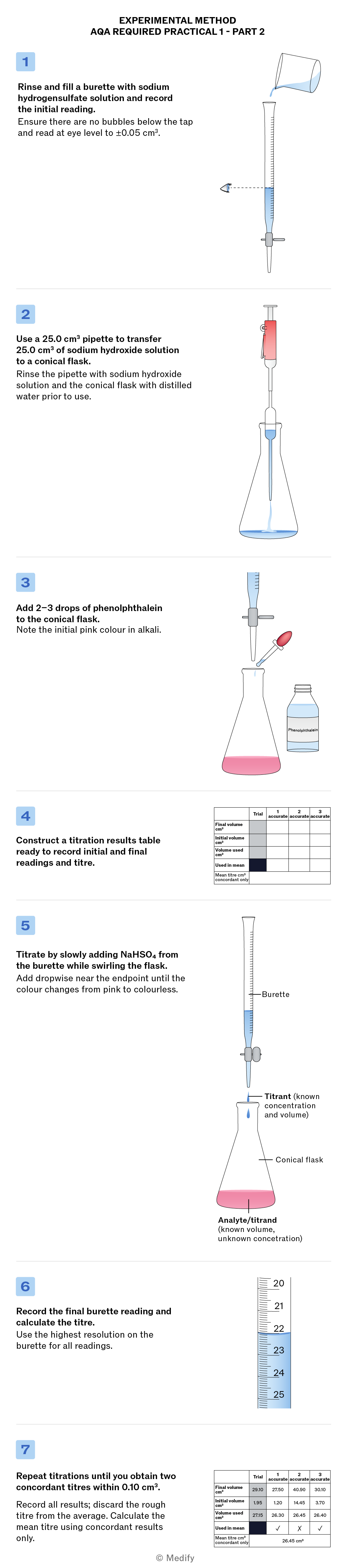
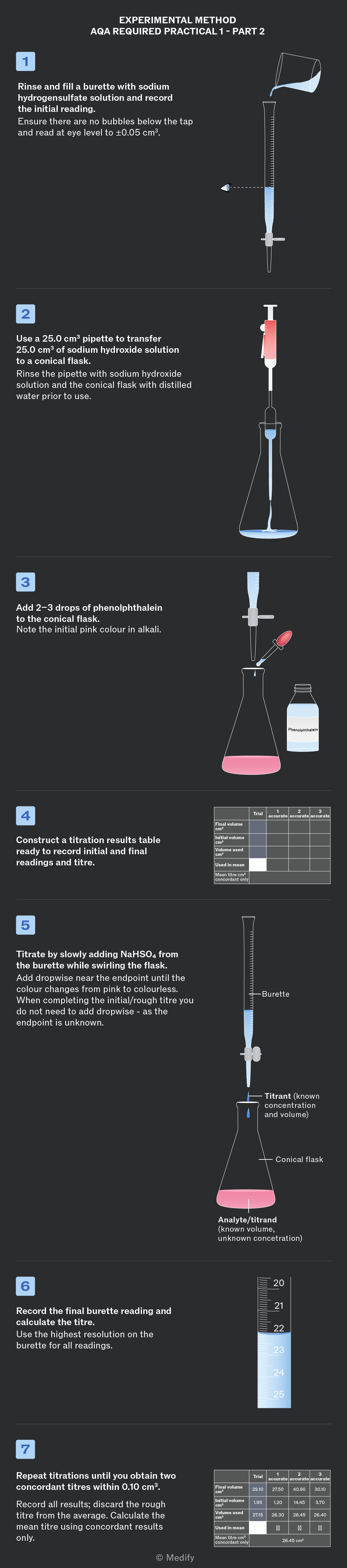
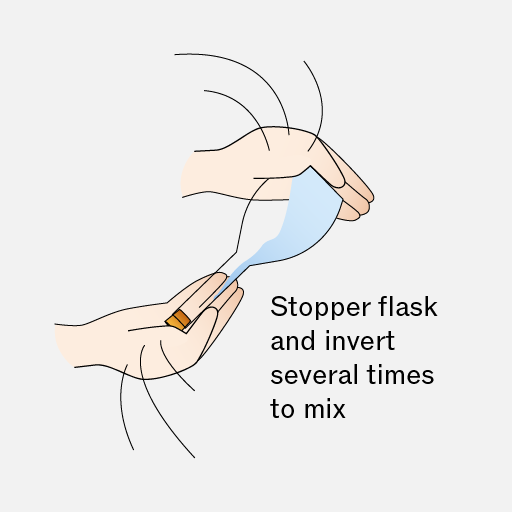
Ensure your standard solution is fully mixed.
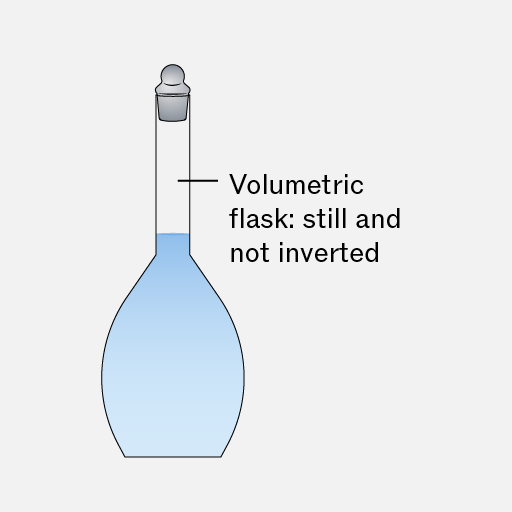
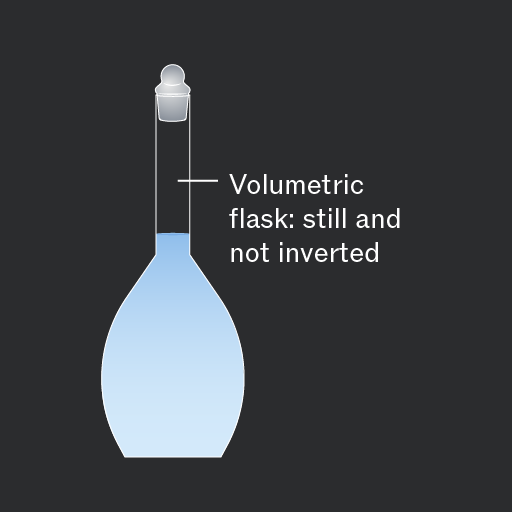
Avoid unintentional dilution of solutions.
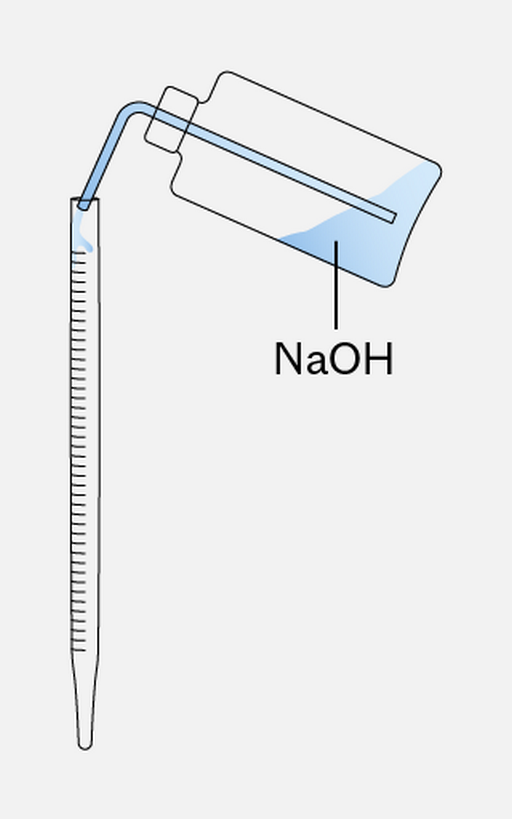
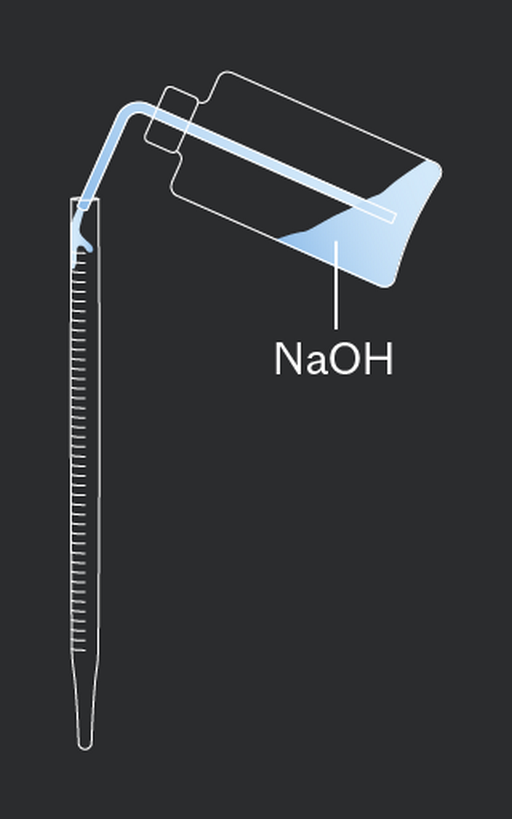
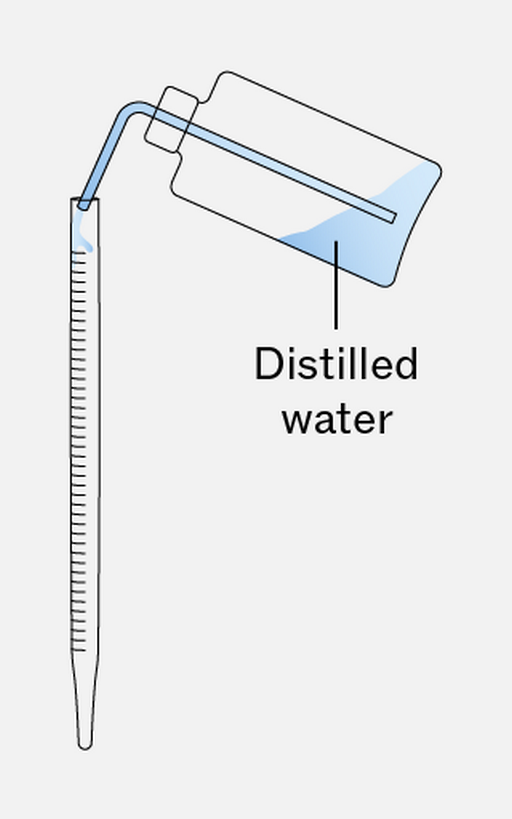
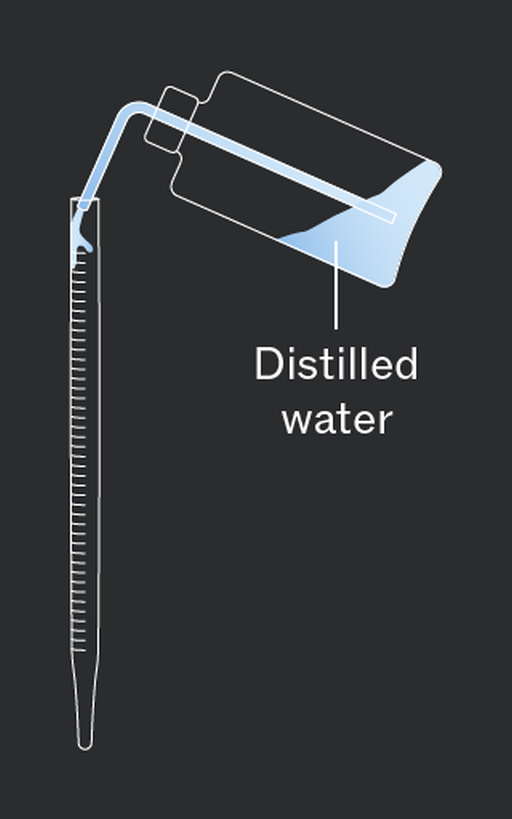
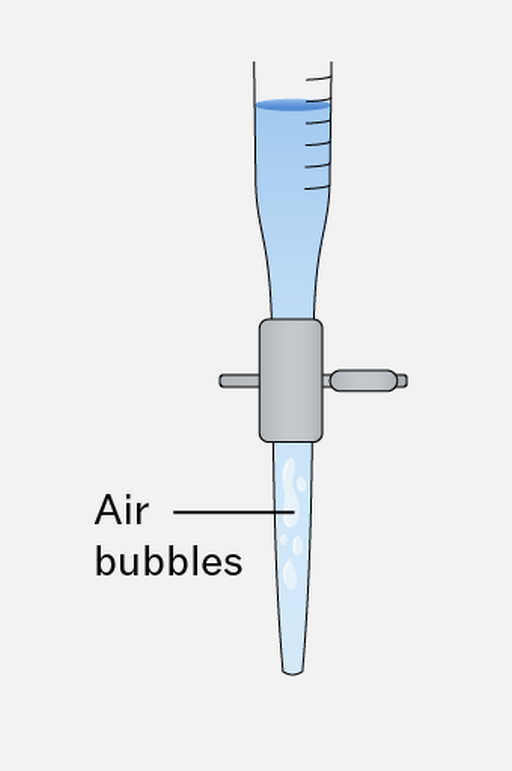
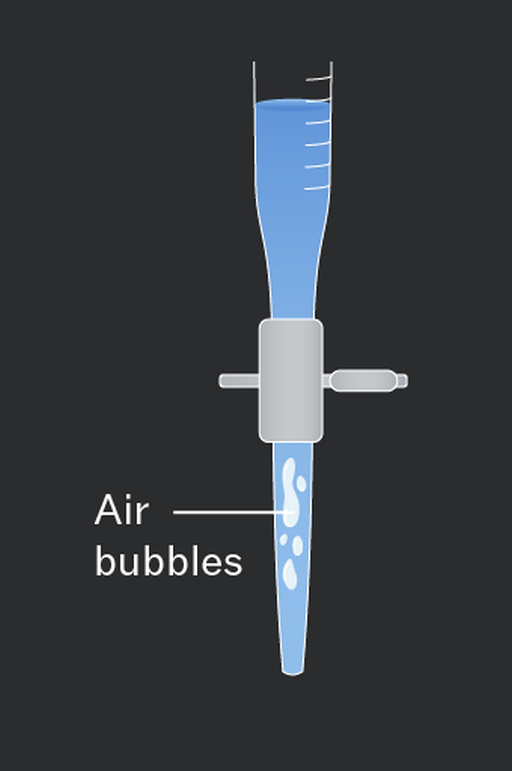
Ensure the burette is free from air bubbles.
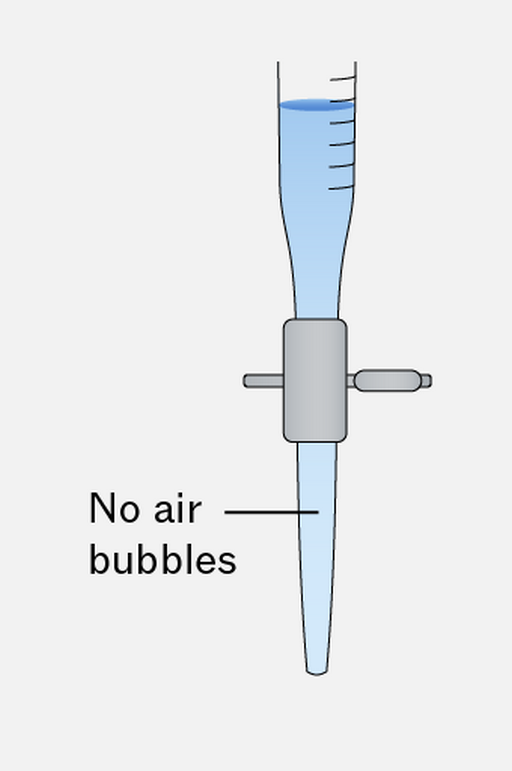
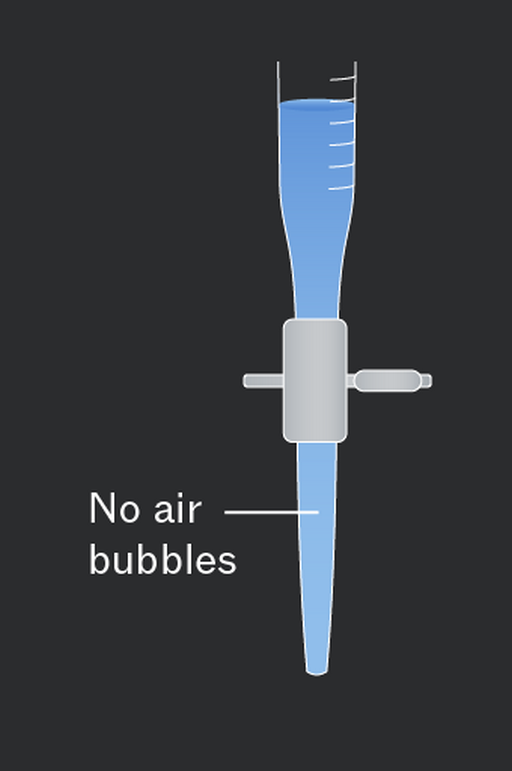
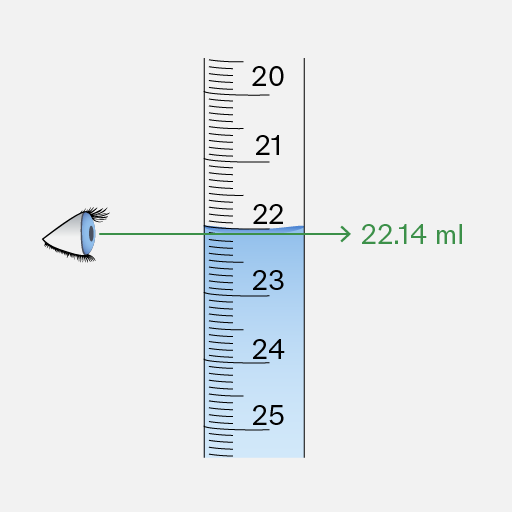
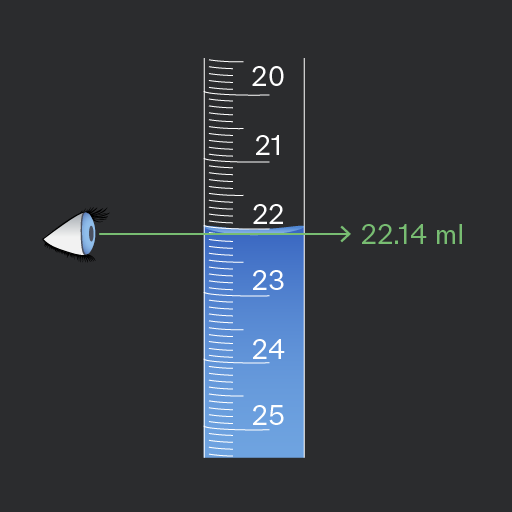
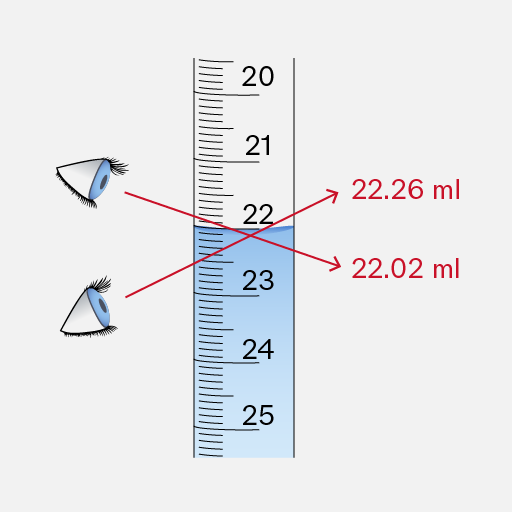
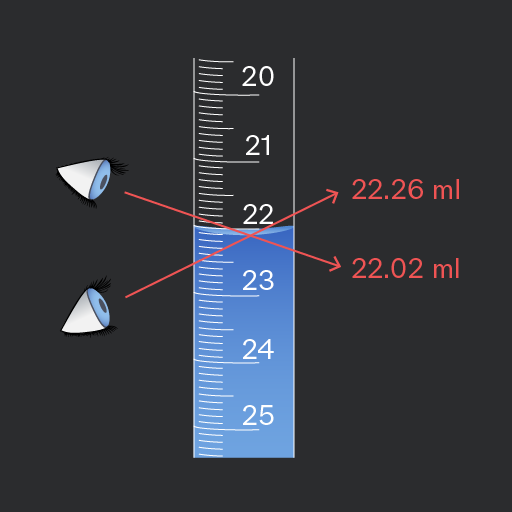
Prevent parallax errors when reading volumes.
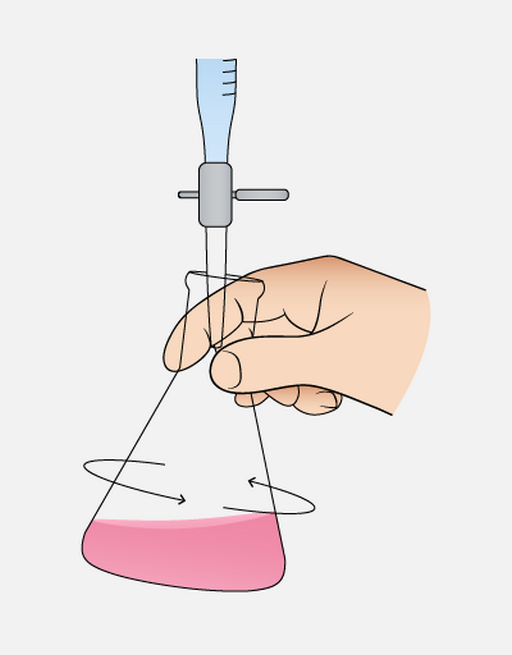
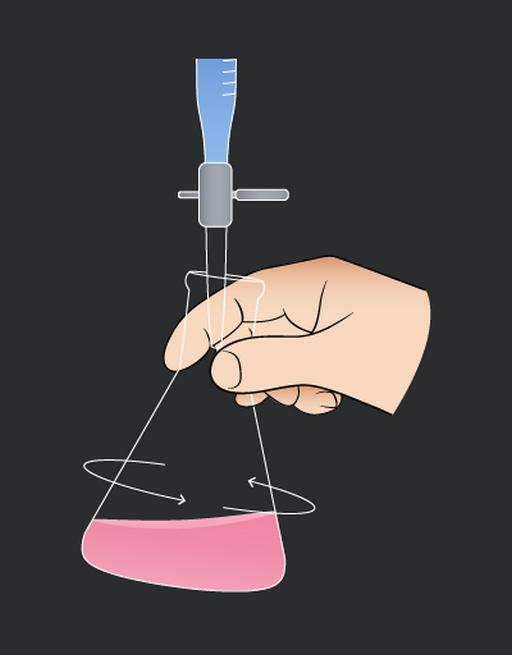
Keep the titration mixture well mixed.
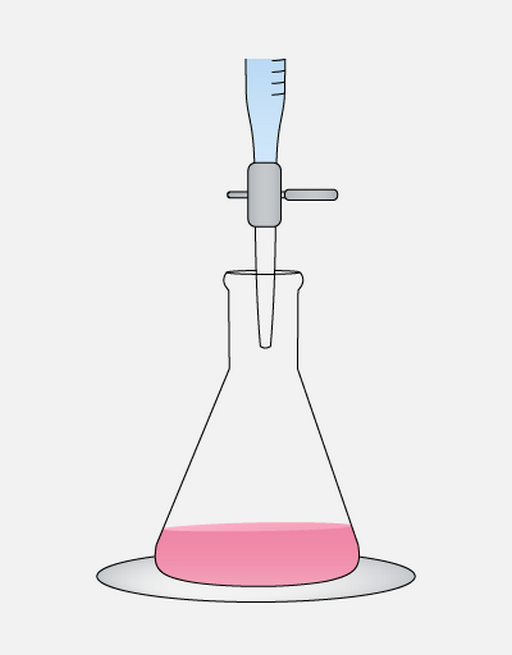
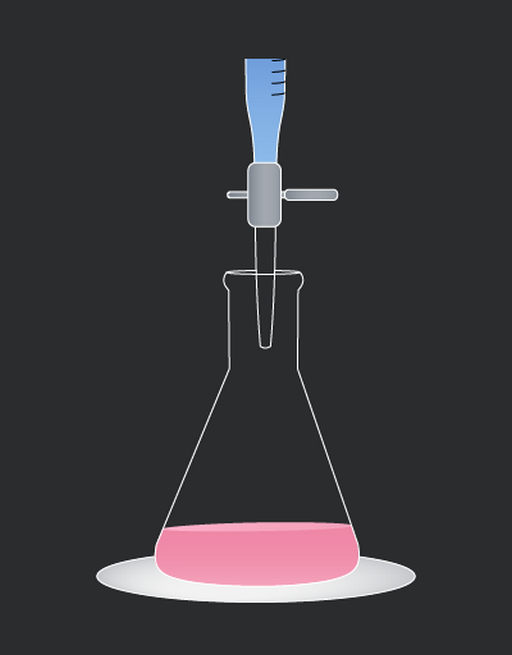
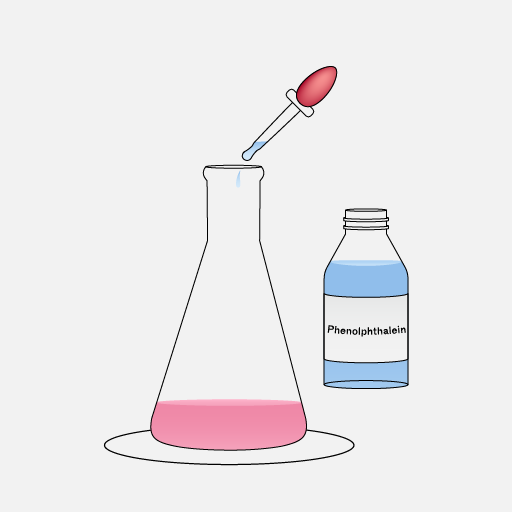
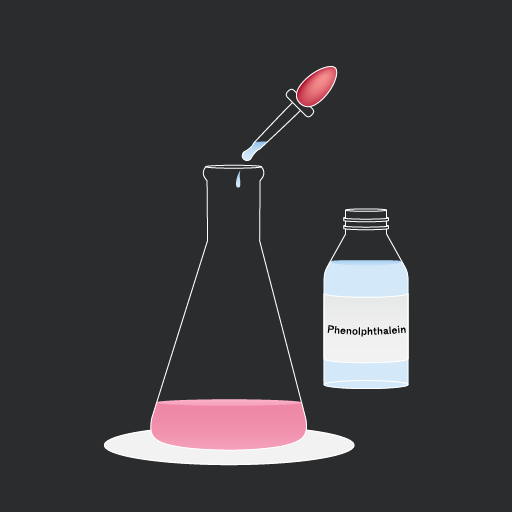
Use only the minimum amount of indicator needed in acid base titration.
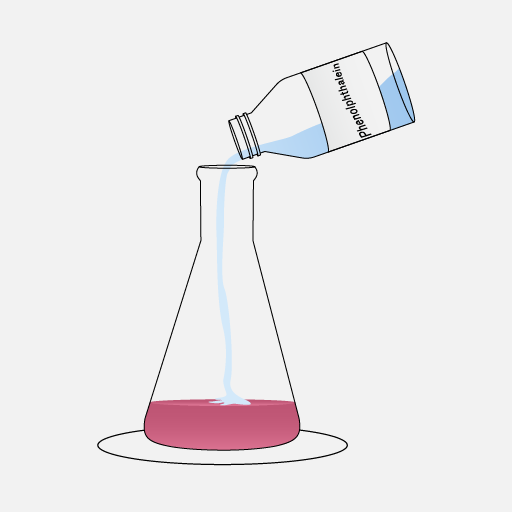
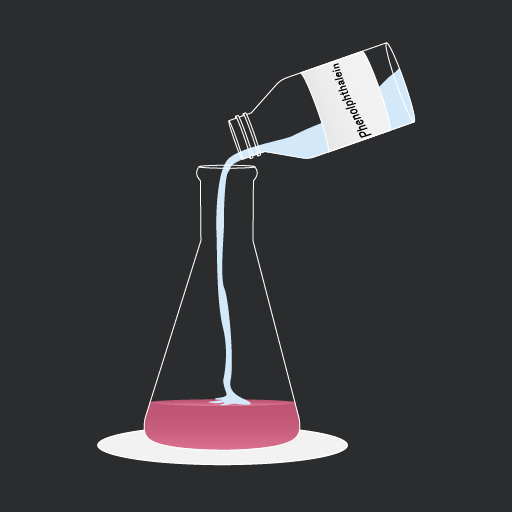
Control the addition of acid as you approach the endpoint.
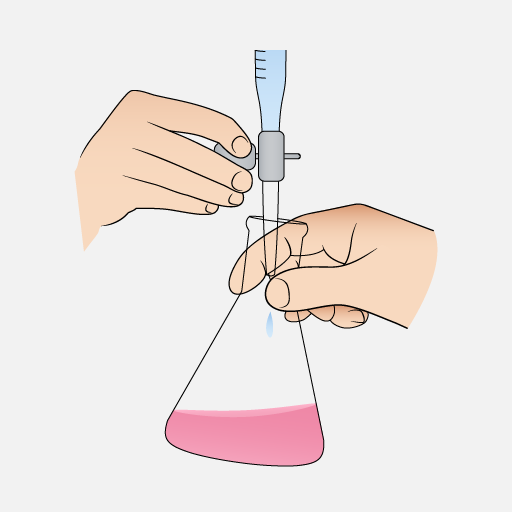
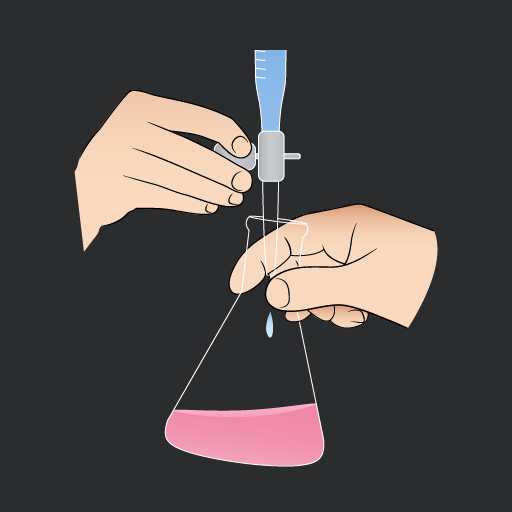
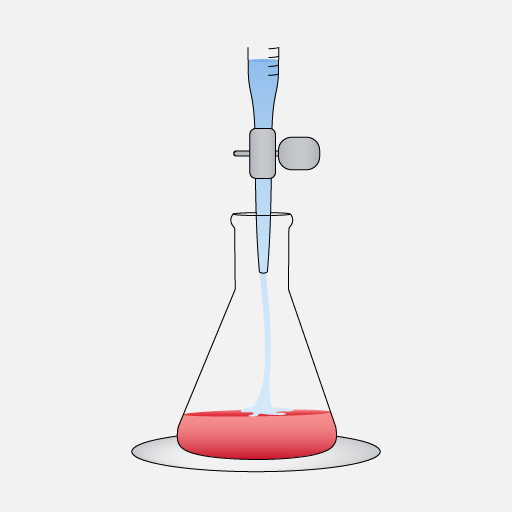
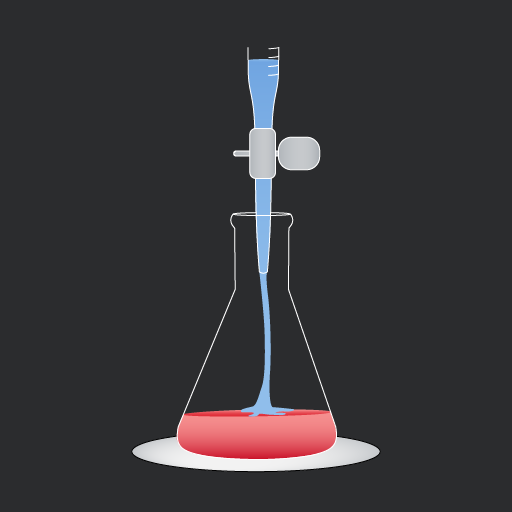
Only use reliable titres in calculations.
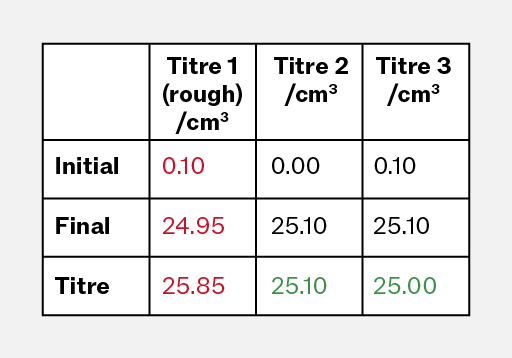
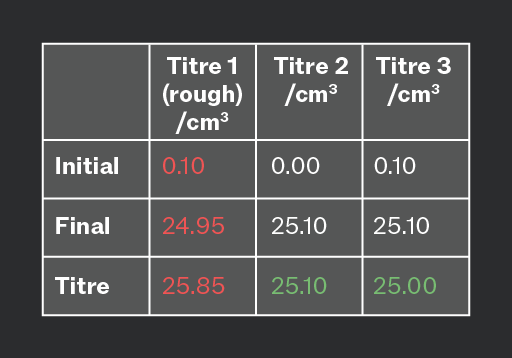
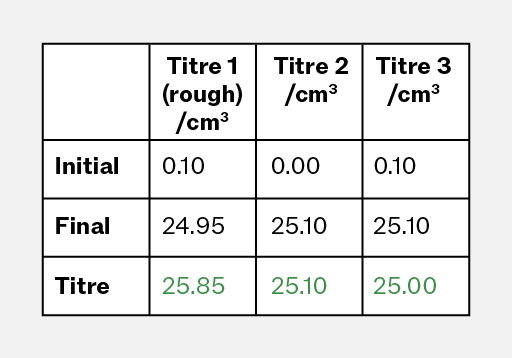
When analysing the results of a sodium hydrogensulfate and sodium hydroxide titration.
Calculate moles of used to make the standard solution:
Calculate concentration of in the standard solution:
Calculate moles of in mean titre:
Use 1:1 molar ratio to calculate moles of in the conical flask:
Calculate concentration of :
Give your final answer to 3 significant figures with correct units.