
CP 3 - Finding the concentration of a solution of hydrochloric acid
On this page
In Edexcel Core Practical 3: Finding the concentration of a solution of hydrochloric acid a known concentration of sodium hydroxide is used to find the concentration of a solution of hydrochloric acid through a titration reaction.
In Edexcel core practical 3: Find the concentration of a solution of hydrochloric acid, there are several important safety requirements to be aware of (beyond normal lab practice such as wearing goggles).
- Phenolphthalein solution is both flammable and toxic.
- Hydrochloric acid is an irritant.
- Ensure burettes are filled when the top of the burette is below eye level.
Experimental method for Edexcel Chemistry Core Practical 3
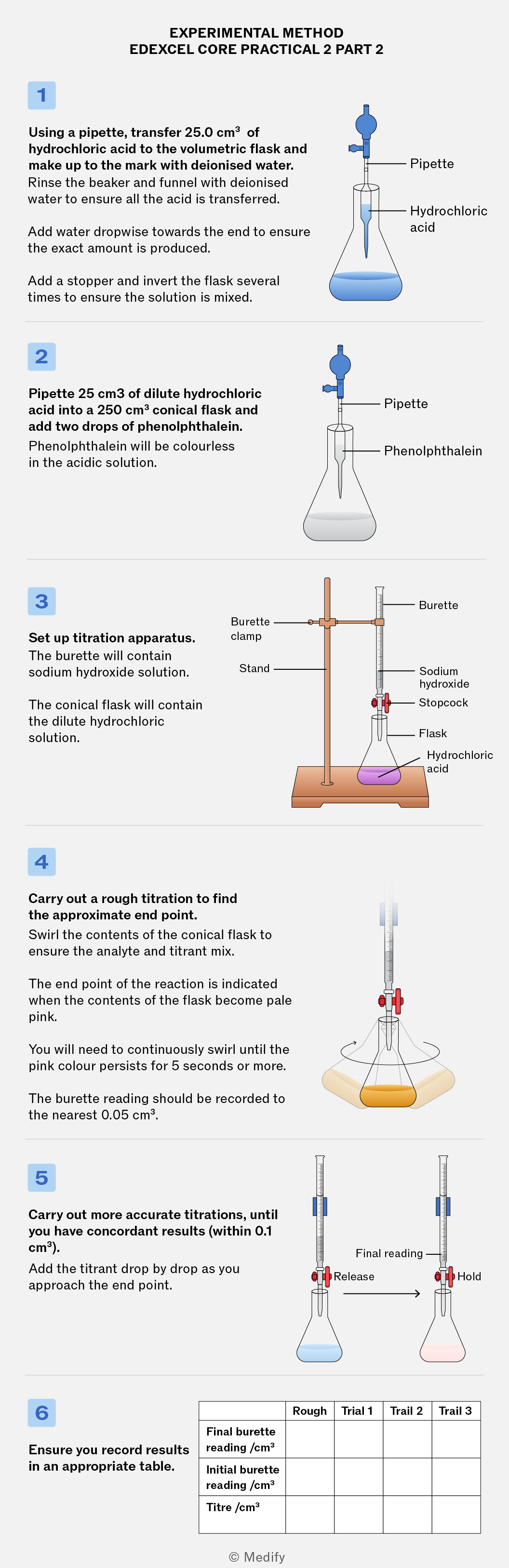
Avoid unintentional dilution of solutions.
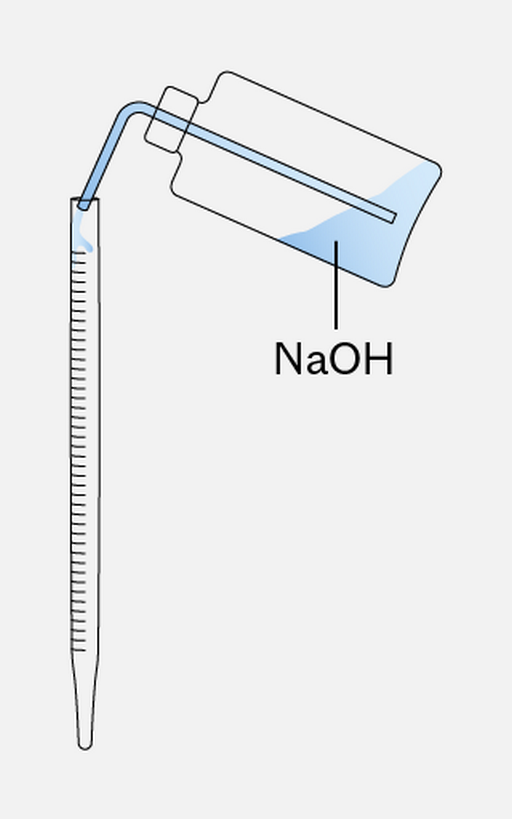
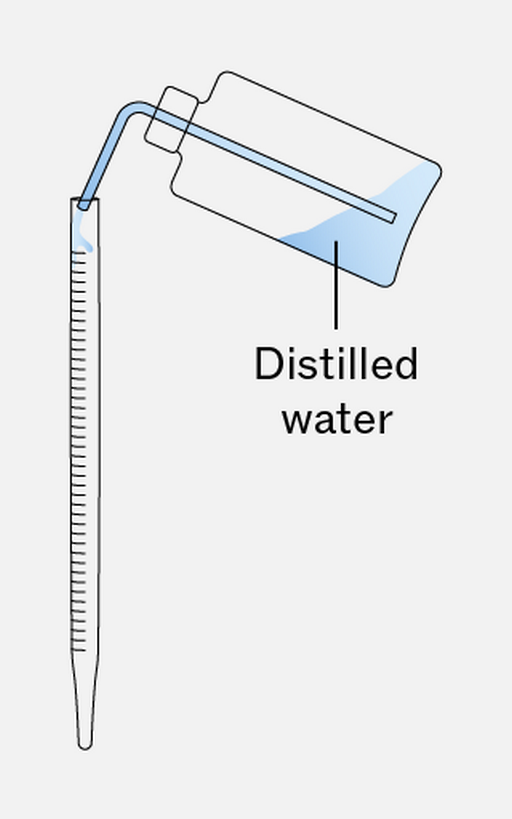
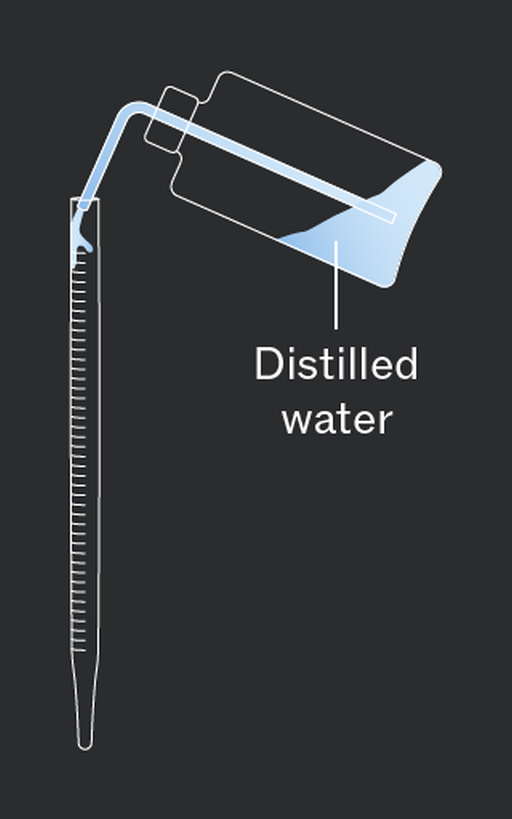
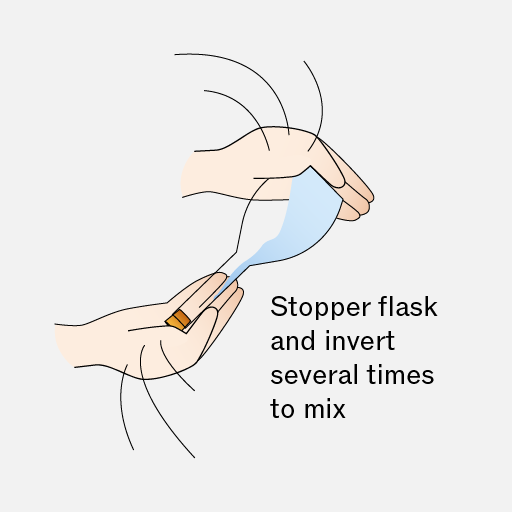
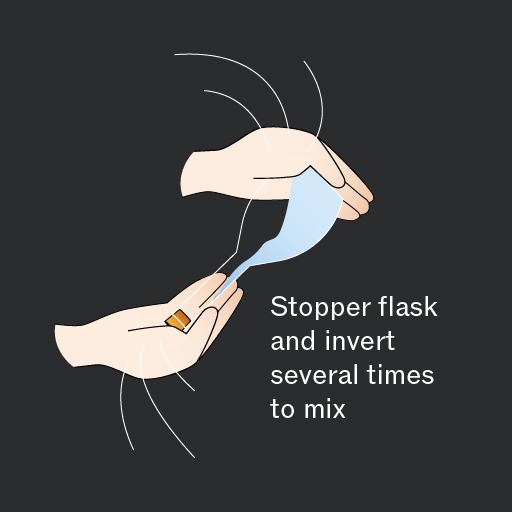
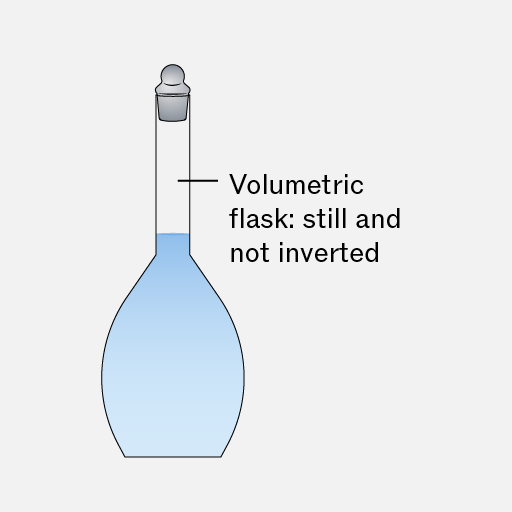
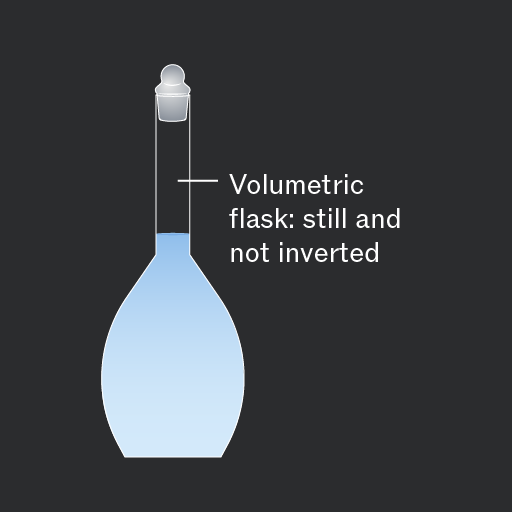
Ensure your standard solution is fully mixed.
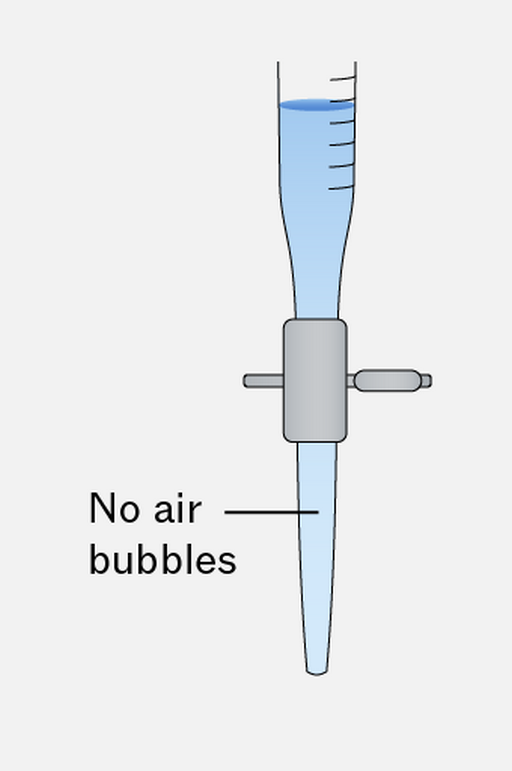
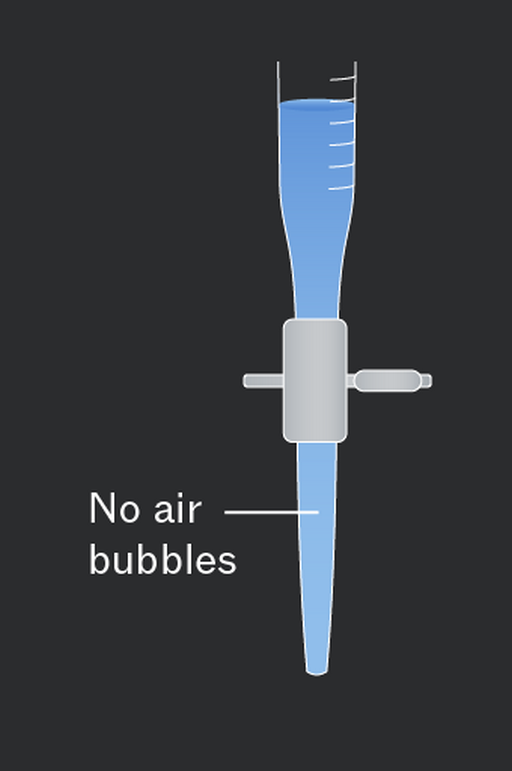
Ensure the burette is free from air bubbles.
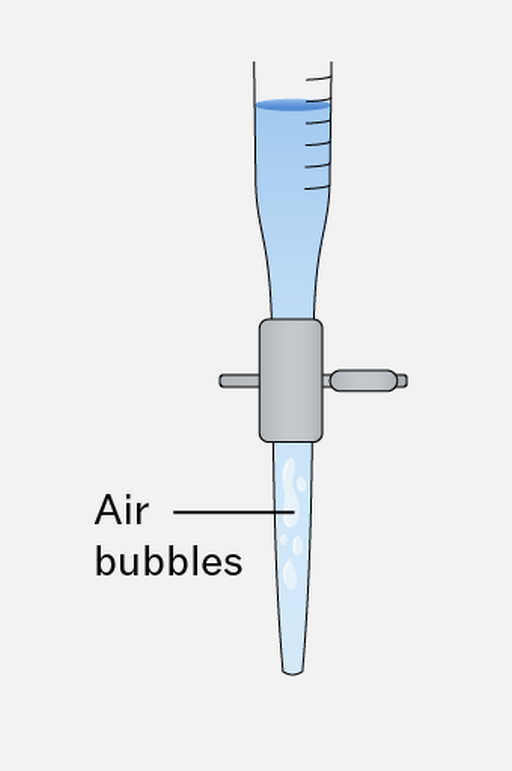
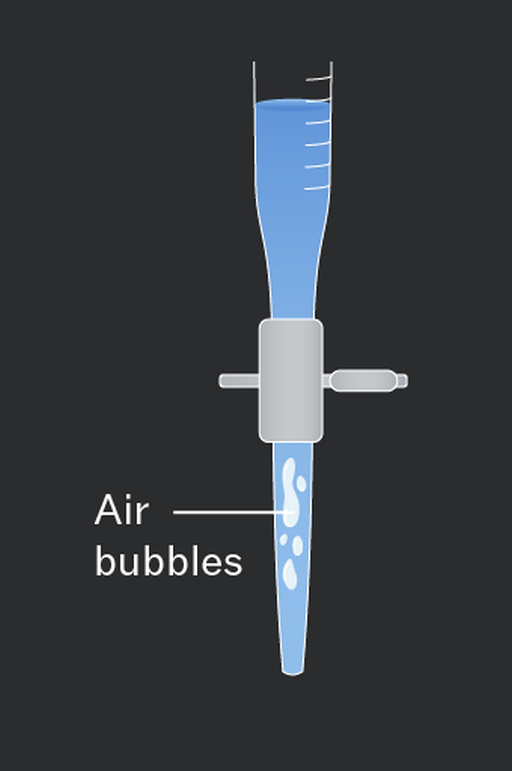
Keep the titration mixture well mixed.
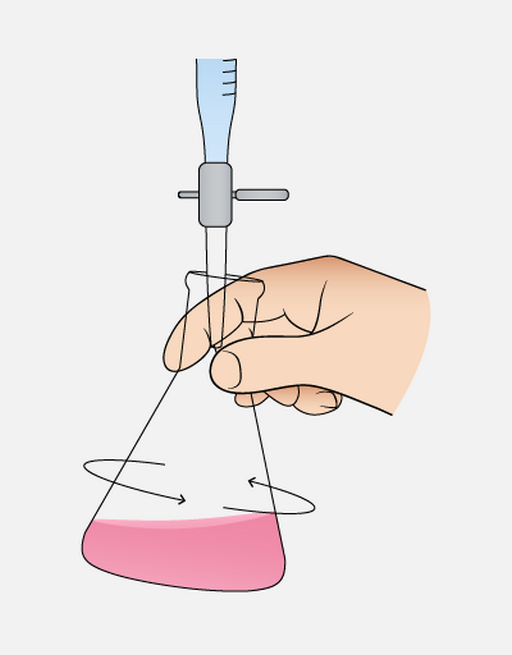
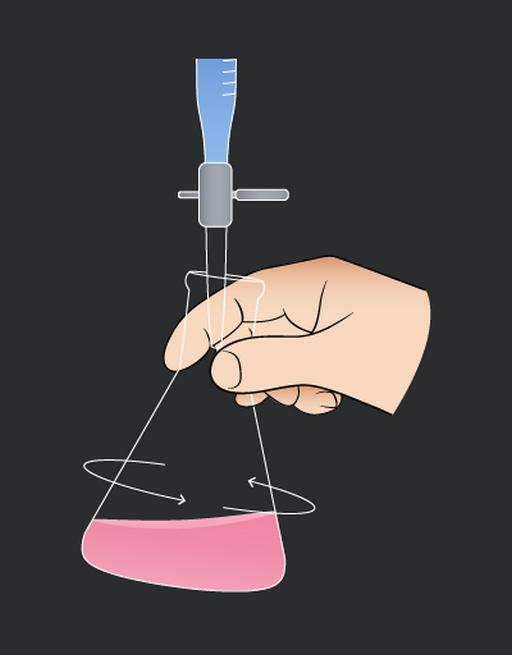
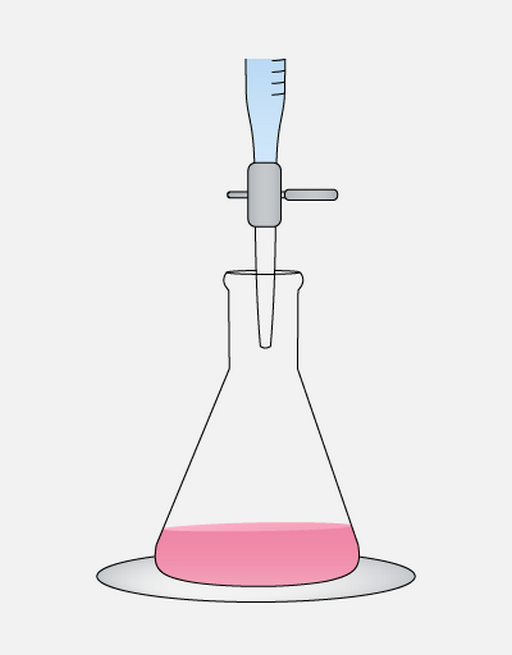
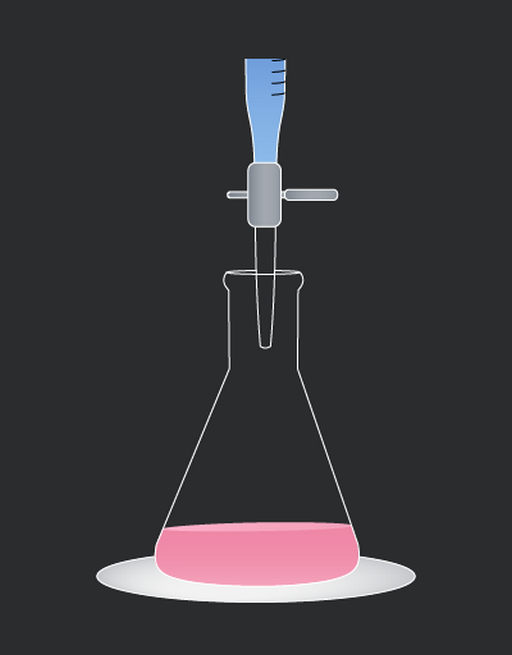
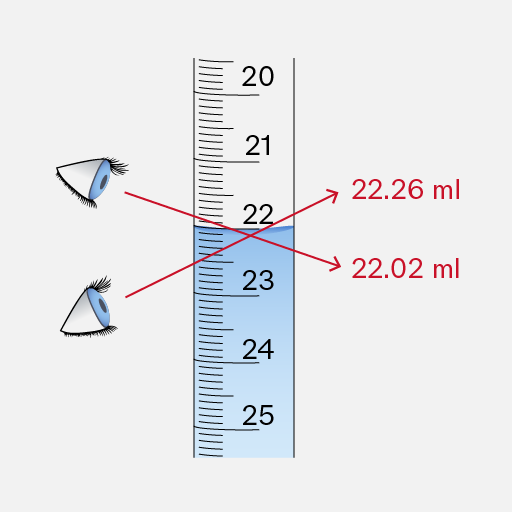
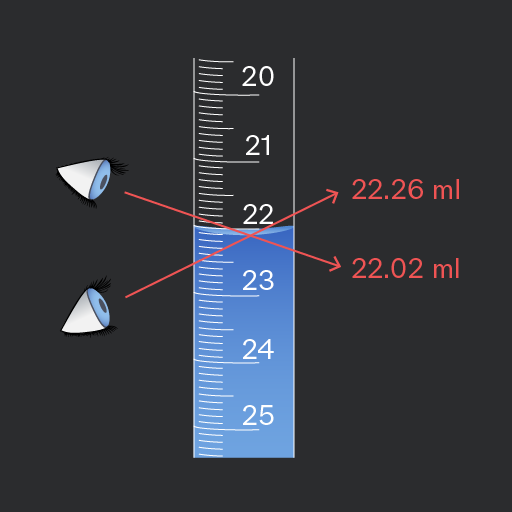
Prevent parallax errors when reading volumes.
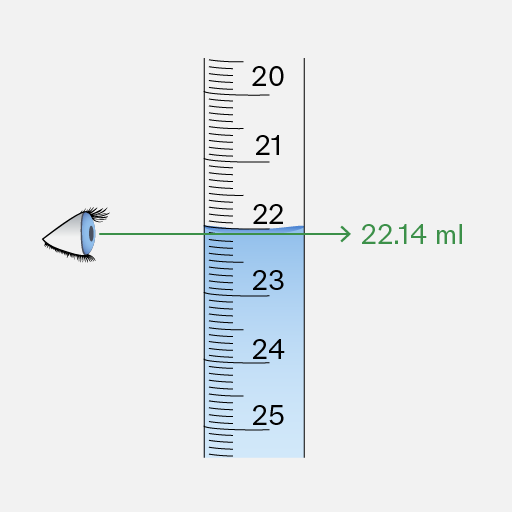
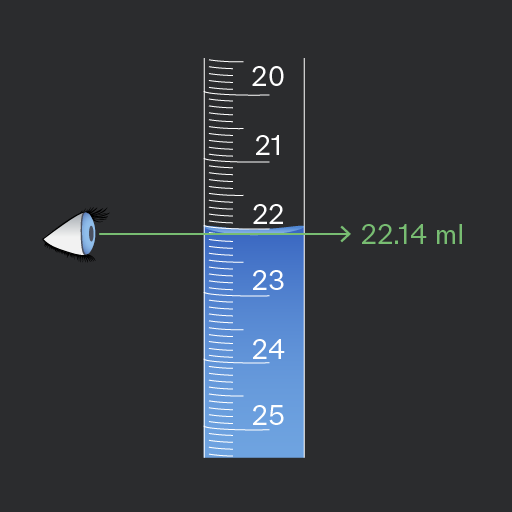
Only use reliable titres in calculations.
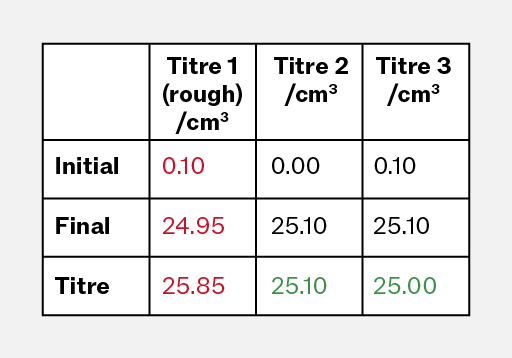
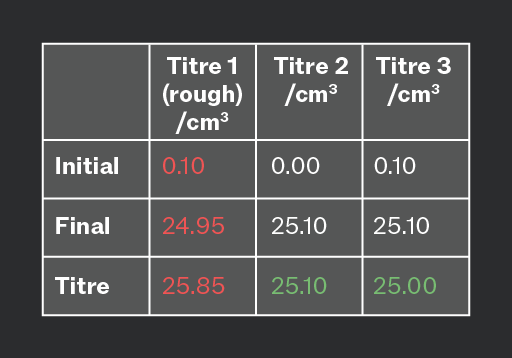
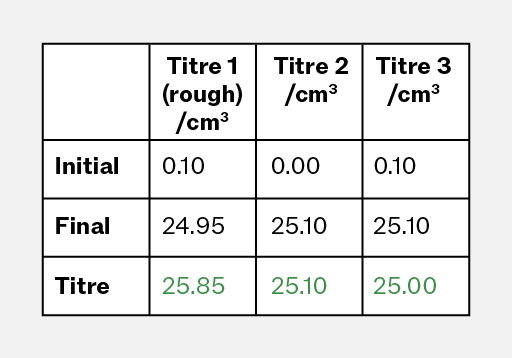
The mean titre should be calculated using only concordant results.
Then calculate the number of moles of sodium hydroxide using the equation:
Using the balanced equation and stoichiometry, the ratio of hydrochloric acid:sodium hydroxide is 1:1.
A 25 cm3 sample was taken from a 250 cm3 solution, therefore the number of moles in the original solution must be calculated by multiplying by 10.
The concentration of hydrochloric acid can then be calculated using: