Practical chemistry for exams›CP 14 - Finding the activation energy of a reaction

CP 14 - Finding the activation energy of a reaction

An overview of CP 14 - Finding the activation energy of a reaction
2 min

Edexcel Core Practical 14:Finding the activation energy for the reaction between bromide ions and bromate(V) ions is completed in an acidic solution.

The rate of the reaction is measured at different temperatures, and the results used to calculate the activation energy using the Arrhenius equation.

Add to favourites

In Edexcel core practical 14: Determine the activation energy for the reaction between bromide ions and bromate(V) ions, there are several important safety requirements to be aware of (beyond normal lab practice such as wearing goggles).

  • Wear a lab coat and gloves.
  • Phenol is corrosive and toxic.
  • Sulfuric acid solution is an irritant.
  • Potassium bromate(V) is oxidising.
Add to favourites
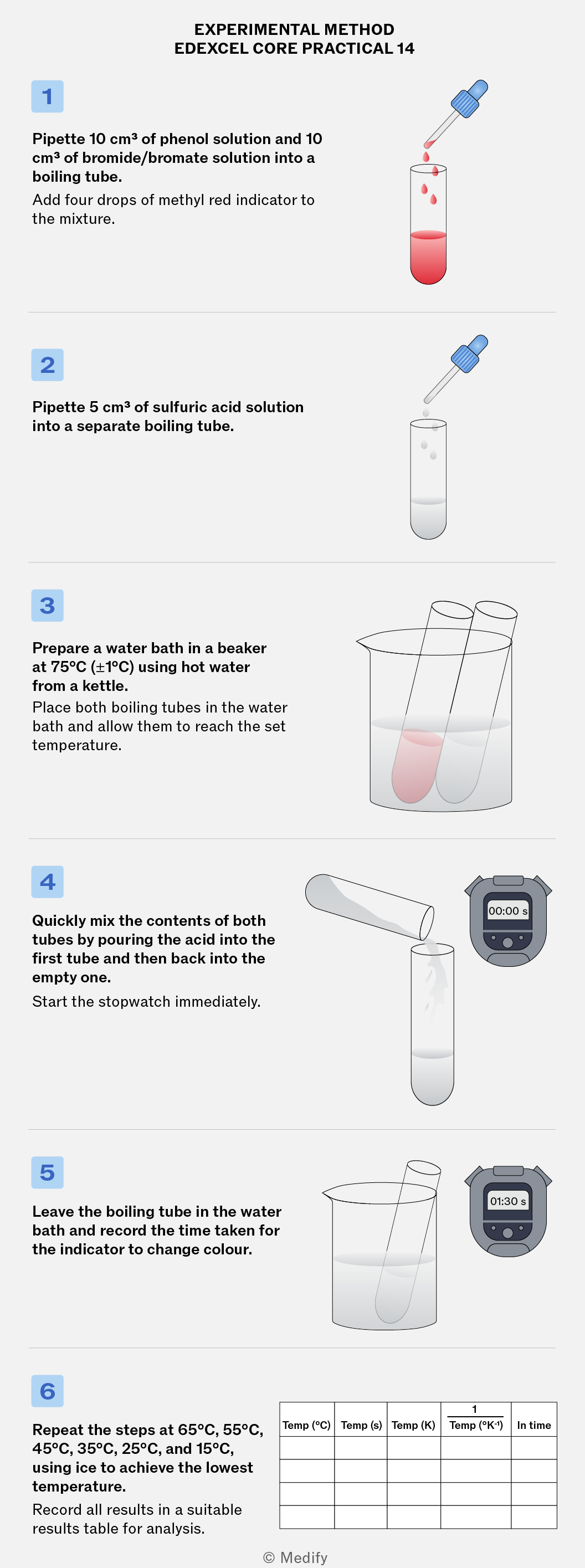
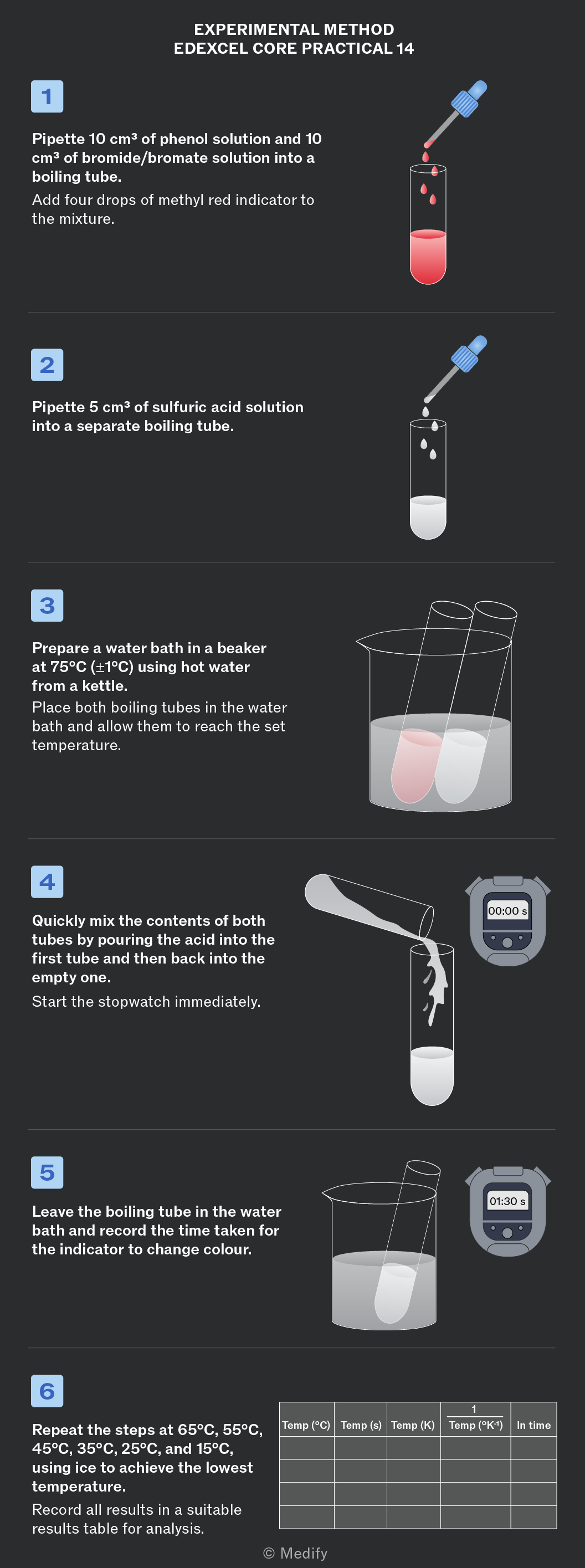
A six-step experimental method labeled 'EDEXCEL CORE PRACTICAL 14'. Step 1: Pipette 10 cm³ of phenol solution and 10 cm³ of bromide/bromate solution into a boiling tube. Add four drops of methyl red indicator. Image shows a pipette adding red liquid to a test tube. Step 2: Pipette 5 cm³ of sulfuric acid solution into a separate boiling tube, with an image of a pipette adding clear liquid to a test tube. Step 3: Prepare a water bath in a beaker at 75°C (±1°C) using hot water from a kettle. Place both boiling tubes in the water bath. Step 4: Quickly mix the contents by pouring the acid into the first tube and back into the empty one. Start the stopwatch immediately. Stopwatch shows '00:00 s'. Step 5: Leave the boiling tube in the water bath and record the time for the indicator to change color. Stopwatch shows '01:30 s'. Step 6: Repeat steps at 65°C, 55°C, 45°C, 35°C, 25°C, and 15°C. Record results in a table labeled 'Temp (°C)', 'Temp (s)', 'Temp (K)', '1 Temp (°K⁻¹)', 'In time'.
Add to favourites

It is crucial to use clean and dry glassware when performing analytical tests.
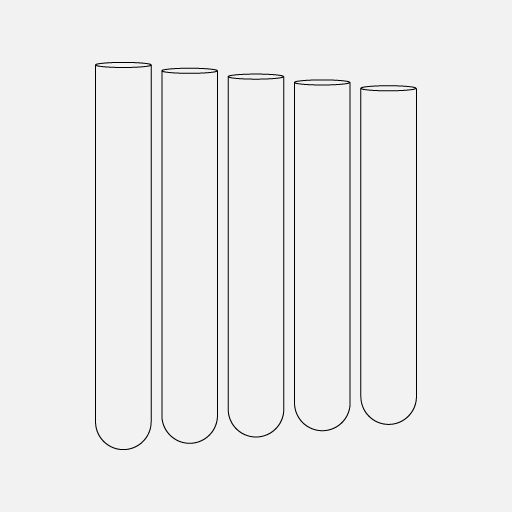
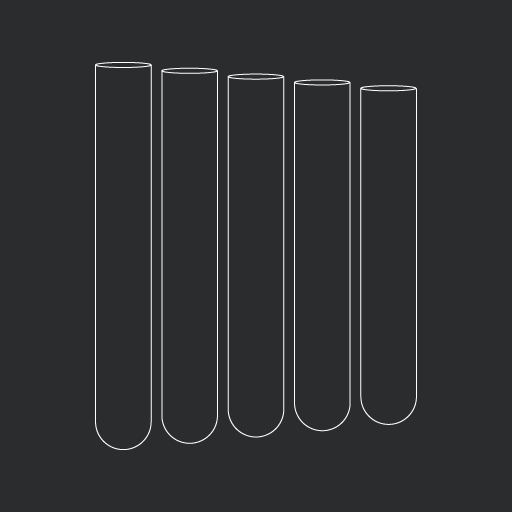
Five test tubes arranged in a row, with varying heights and shapes.
Do

Ensure all glassware is clean and dry before use to avoid contamination and ensure accurate results.

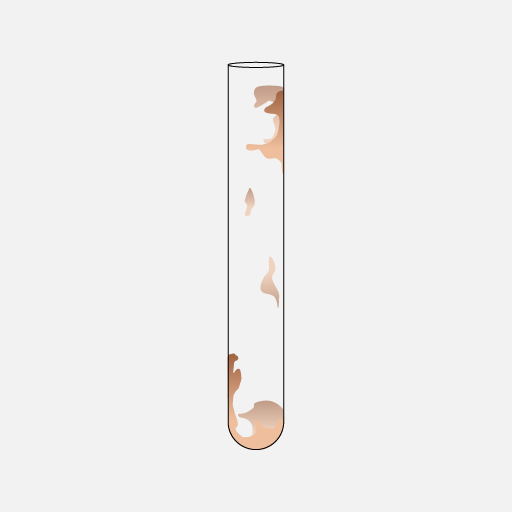
A test tube with a white body and brownish stains or markings on its surface.
Don't

Reuse glassware that has not been properly cleaned and dried, as this could lead to inaccurate readings or unintended chemical reactions.

Add to favourites

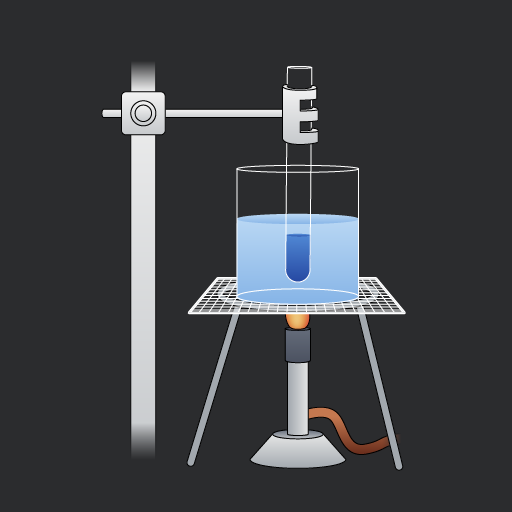
Be sure to heat the test tubes carefully when the contents are temperature sensitive.
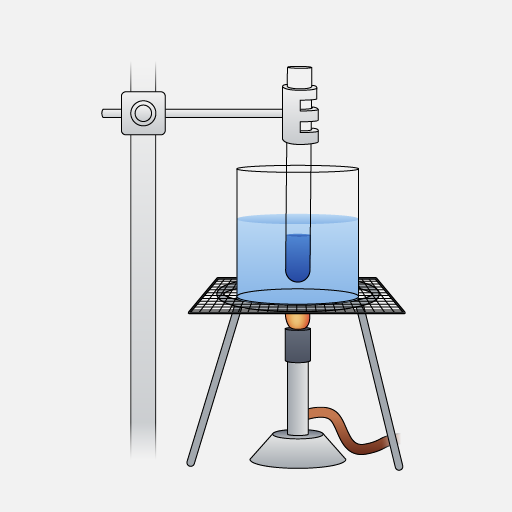
A laboratory setup featuring a beaker filled with blue liquid, supported by a wire gauze on a stand. A thermometer is inserted into the beaker, and the setup is heated by a Bunsen burner with a gas hose.
Do

Use a water bath for heating test tubes. A water bath provides even, controlled heating, reducing the risk of glassware breaking or the contents overheating. Maximum temperature is capped at the boiling temperature of water.

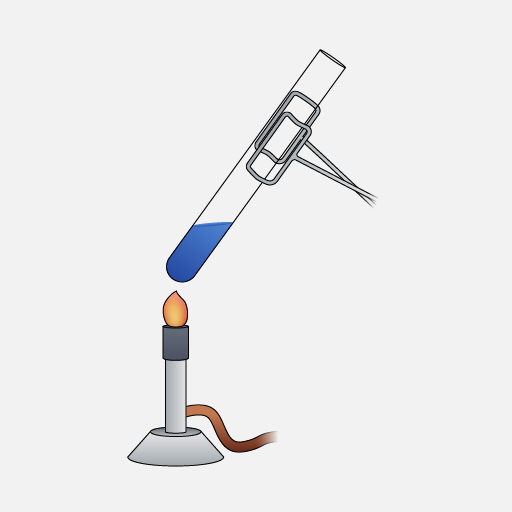
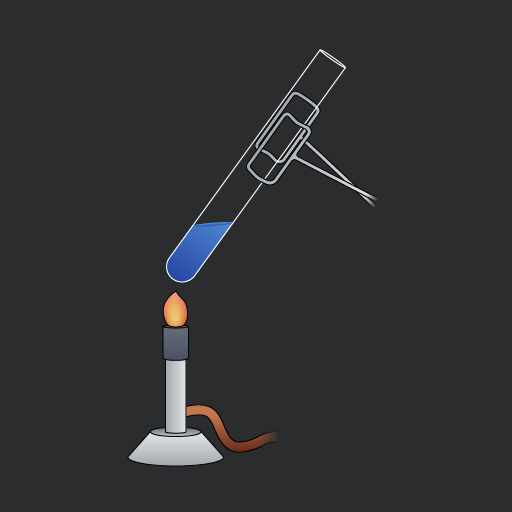
A test tube with blue liquid is being heated over a flame from a Bunsen burner.
Don't

Heat test tubes directly over a Bunsen burner. Direct flame can cause rapid temperature changes.

Add to favourites

The Arrhenius equation is an exponential relationship between the rate constant, and temperature,

The equation can be used to calculate the activation energy of a reaction:

where:

  • = rate constant
  • = Arrhenius constant (frequency factor)
  • ​ = activation energy for the reaction
  • = gas constant (8.314 J mol-1 k-1)
  • = temperature (K)

The above equation can be rearranged to produce a straight-line graph, called an Arrhenius plot

Plot a graph of ln time (ln t) against this has a gradient of so calculate activation energy using:

Add to favourites