Module 1: Practical chemistry for exams›PAG 1.1 - Determination of the composition of copper(II) carbonate

PAG 1.1 - Determination of the composition of copper(II) carbonate

An overview of PAG 1.1 - Determination of the composition of copper(II) carbonate
2 min

In OCR Chemistry Required Practical 1 (PAG 1.1), the percentage by mass of in copper(II) carbonate basic, is calculated.

A known mass of is reacted with an excess of , and the evolved is collected.

The molar gas volume and the reaction stoichiometry are used to quantify the value of X and hence obtain a percentage mass.

Add to favourites

In OCR PAG 1.1: Determination of the composition of copper(II) carbonate basic, there are several important safety requirements to be aware of (beyond normal lab practice such as wearing goggles).

  • Sulfuric acid is an irritant – avoid contact with skin and eyes.
  • Immediately clean up any spills of acid or alkali.
Add to favourites

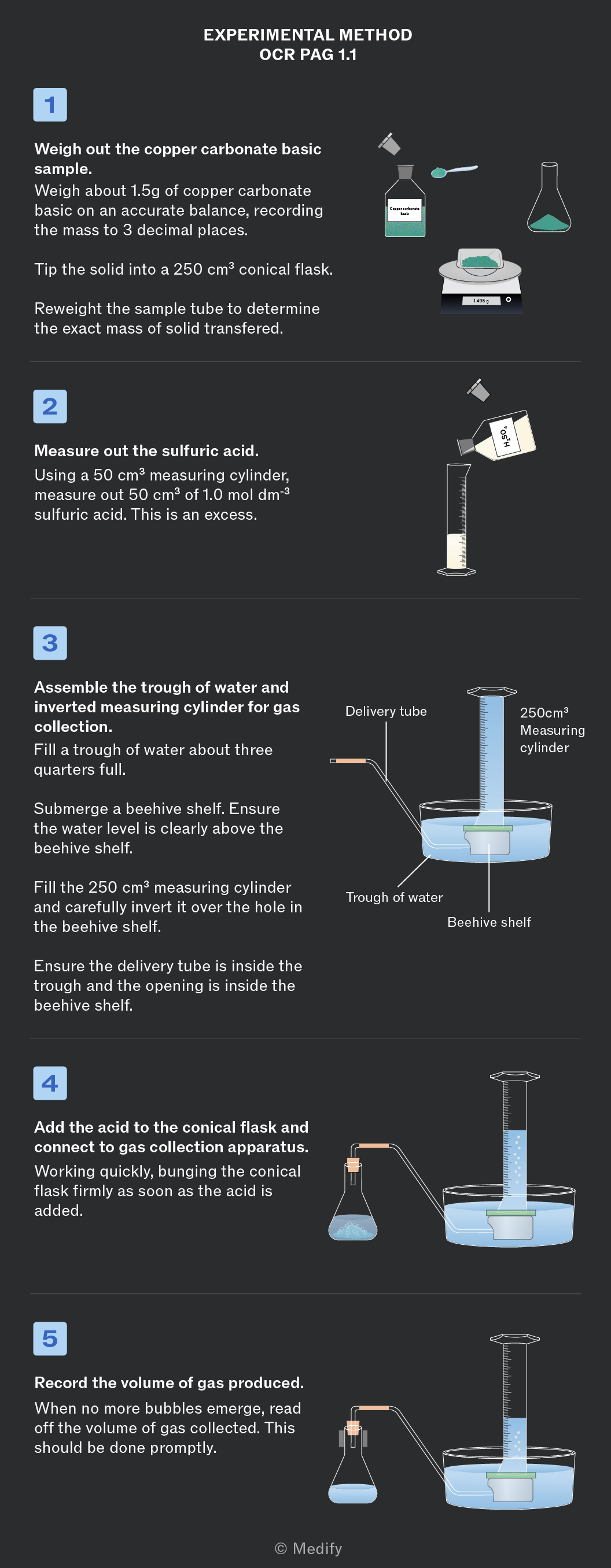
Experimental method for OCR Chemistry Required Practical 1 (PAG 1.1)
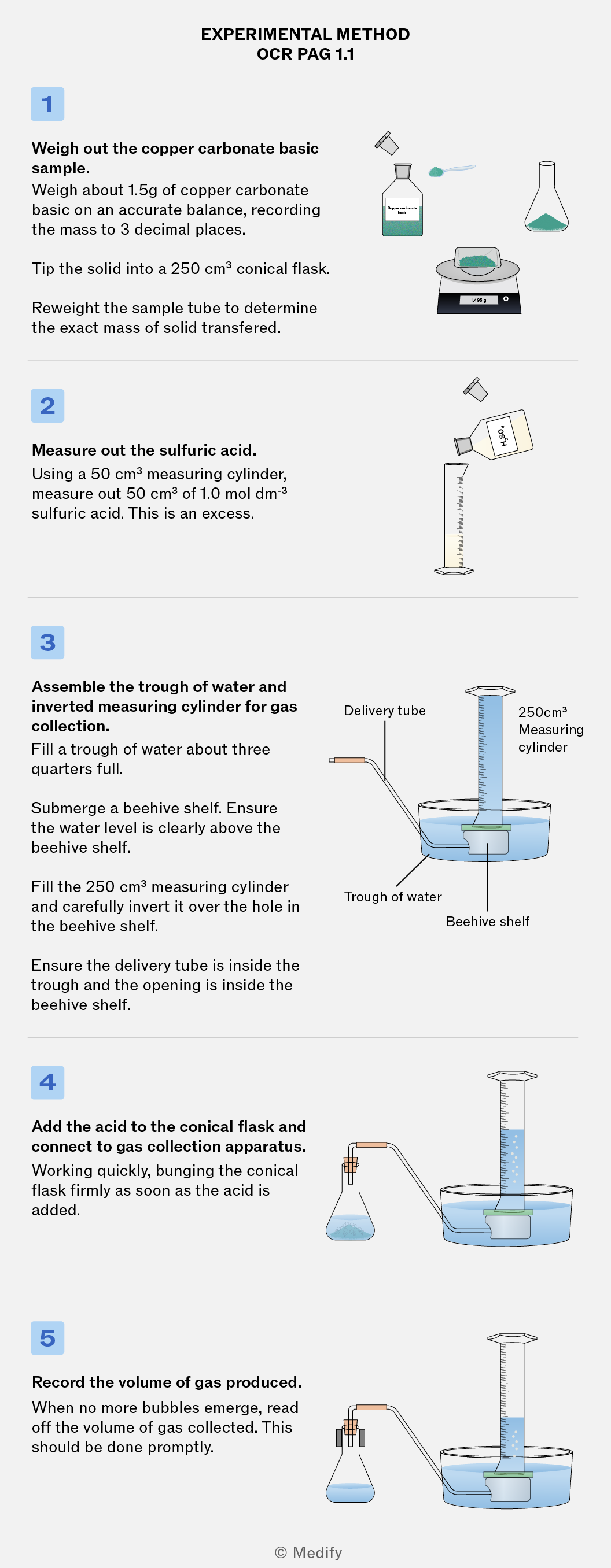
A step-by-step guide for an experimental method involving the reaction of copper carbonate with sulfuric acid. The image includes numbered steps with illustrations showing weighing the copper carbonate, measuring sulfuric acid, assembling a gas collection apparatus with a trough of water and an inverted measuring cylinder, adding the acid to the conical flask, and recording the volume of gas produced.
Add to favourites

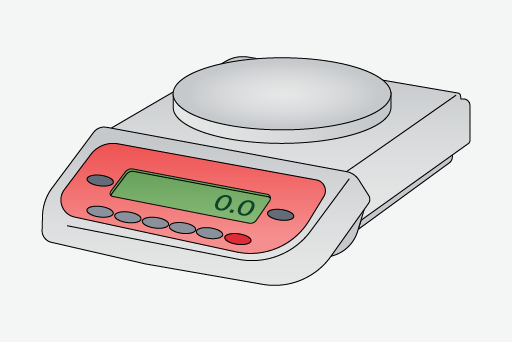
The precision of the balance used is critical for ensuring the accuracy of mass measurements and subsequent calculations.
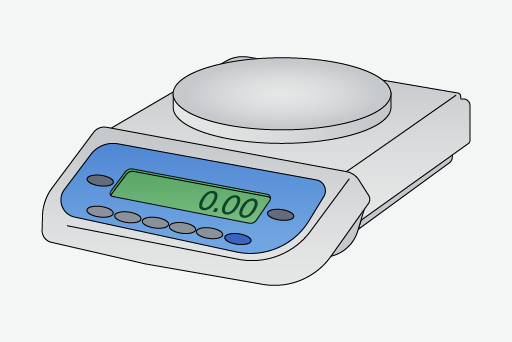
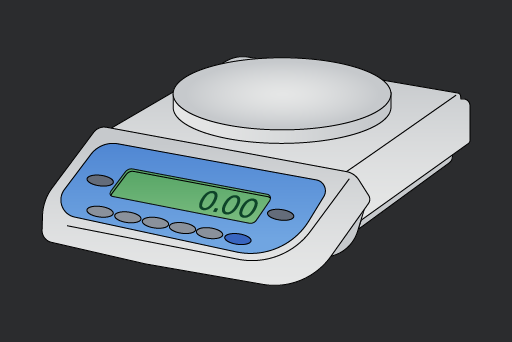
A digital laboratory scale with a circular weighing platform and a blue control panel displaying a reading of 0.00.
Do

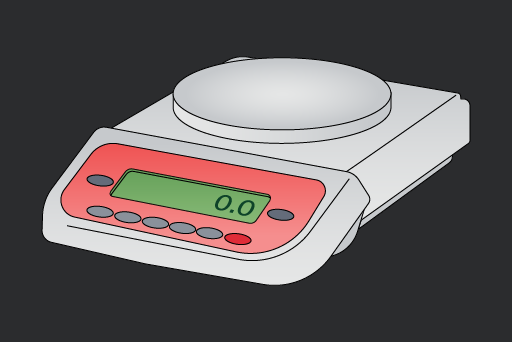
Measure solids and liquids precisely. Ensures accurate mole calculations and enthalpy values. A balance with a resolution of at least two decimal places should be used.

A digital weighing scale with a round platform and a red control panel displaying '0.0' on a green screen.
Don't

Use a balance with a resolution of 1 decimal place or lower.

Add to favourites

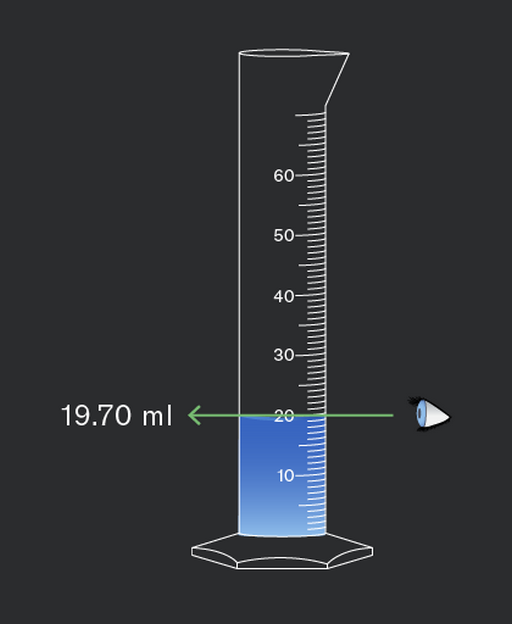
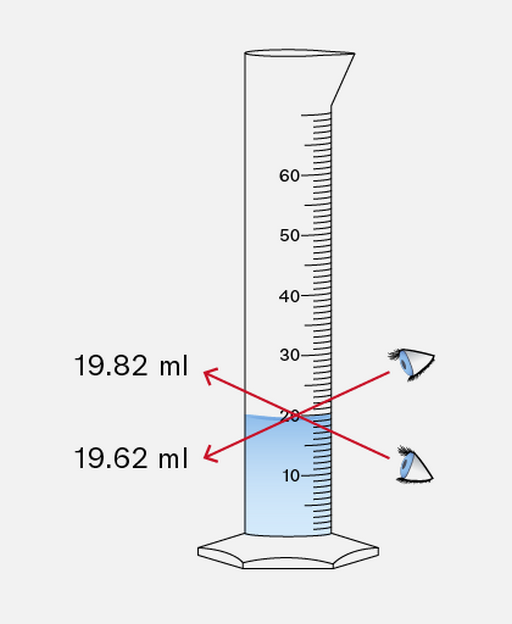
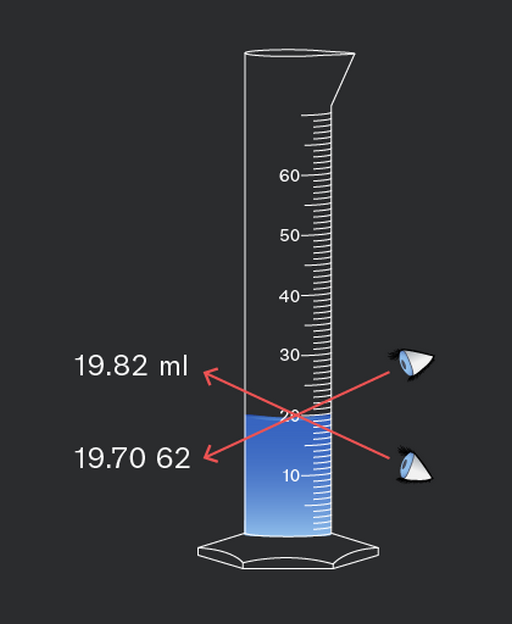
Misreading the volume of reactants used will impact your calculations.
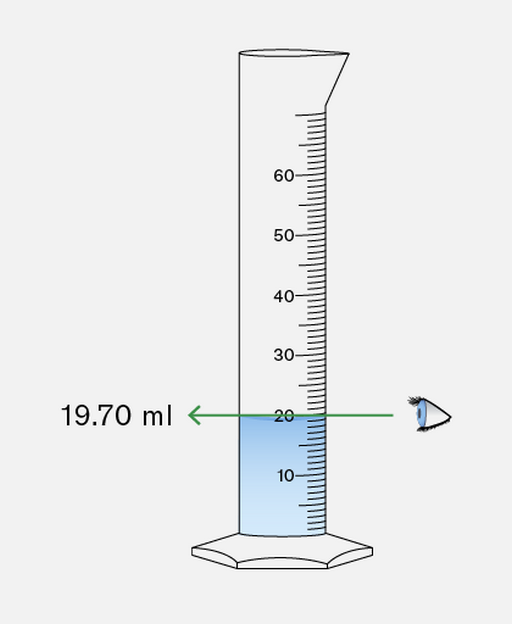
A graduated cylinder showing a measurement of 19.70 ml, with a blue liquid filling the cylinder up to the 20 ml mark, and an arrow pointing to the measurement.
Do

Use a measuring cylinder with
increments and read the meniscus at eye level for accuracy.

A graduated cylinder showing a liquid level at 19.82 ml and 19.62 ml, with red arrows pointing to the respective measurements.
Don't

Hold the cylinder at an angle or read from above/below – this causes parallax error (e.g. misread as ).

Add to favourites

Use the volume of collected to calculate moles using:

From the balanced equation, the ratio of is 1:1. Use this to calculate the mass of in the sample using:

Finally calculate the percentage by mass of in the sample using:

Add to favourites