
PAG 5.1 - Synthesis of a haloalkane
On this page
In OCR Chemistry Required Practical 5 (PAG 5.1), a haloalkane is prepared.
2-methylpropan-2-ol reacts with concentrated hydrochloric acid, in a nucleophilic substitution reaction.
The alcohol group is substituted with a chloride group to produce 2-chloro-2-methylpropane.
The reaction is summarised by the equation:
The experiment involves procedures for the purification of an organic liquid.
In OCR PAG 5.1: Synthesis of a haloalkane, there are several important safety requirements to be aware of (beyond normal lab practice such as wearing goggles).
- 2-methyl-propan-2-ol is highly flammable – keep away from naked flames.
- Silver nitrate can stain skin and surfaces – take care when handling.
- Measuring and addition of concentrated hydrochloric acid should be carried out in a fume cupboard.
Experimental method for OCR Chemistry Required Practical 5 (PAG 5.1)
Part 1 – The synthesis of 2-chloro-2-methylpropane.
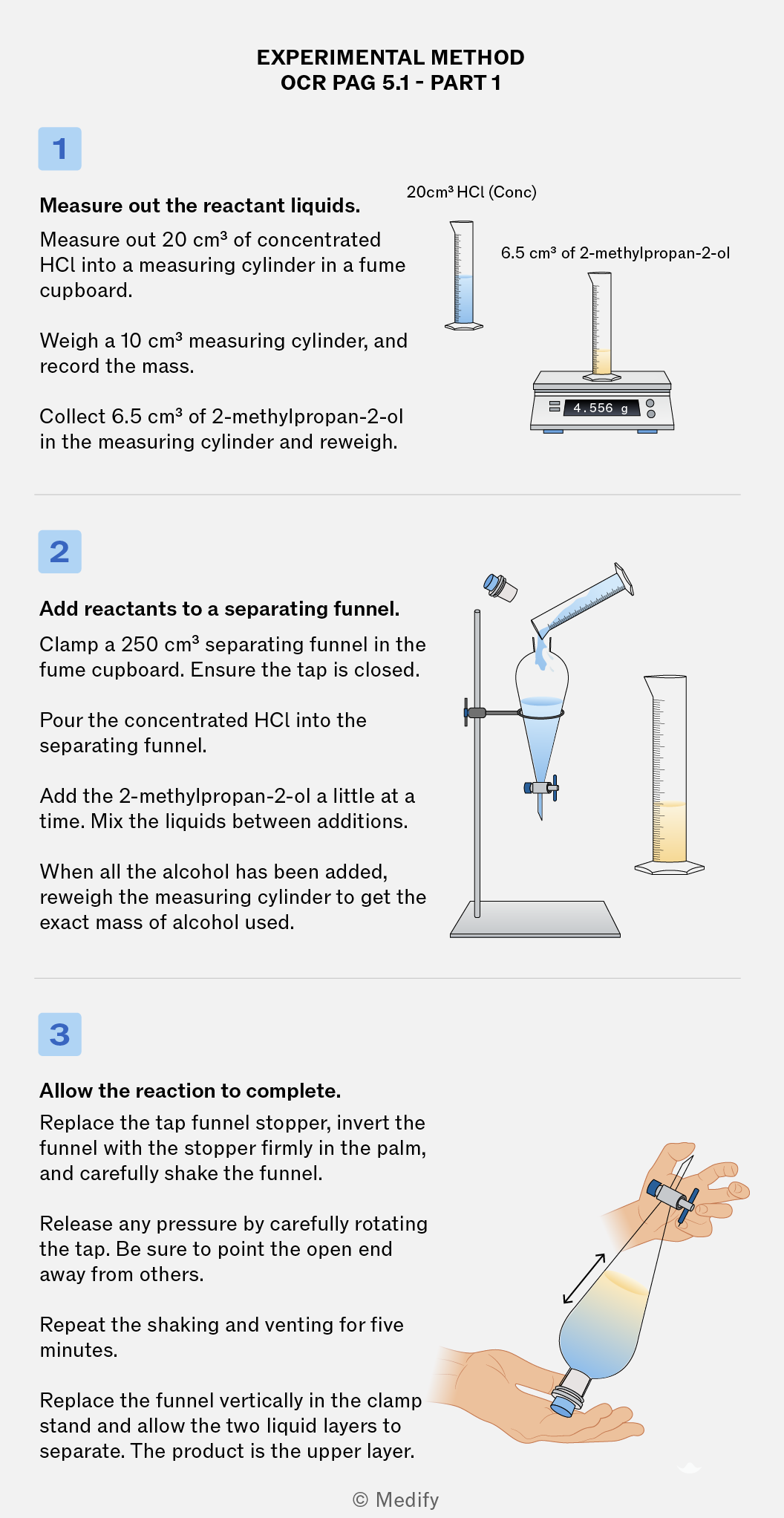
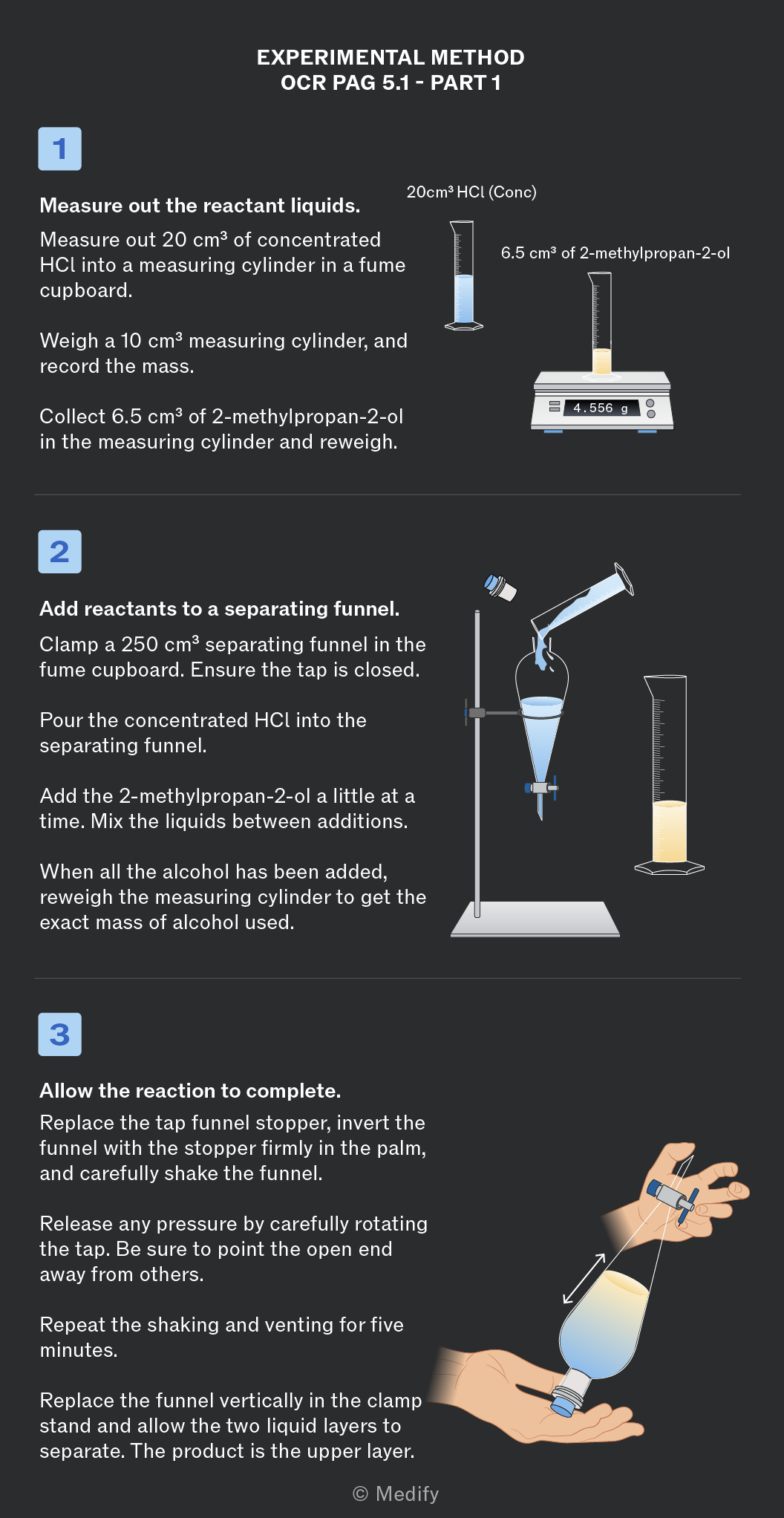
Experimental method for OCR Chemistry Required Practical 5 (PAG 5.1)
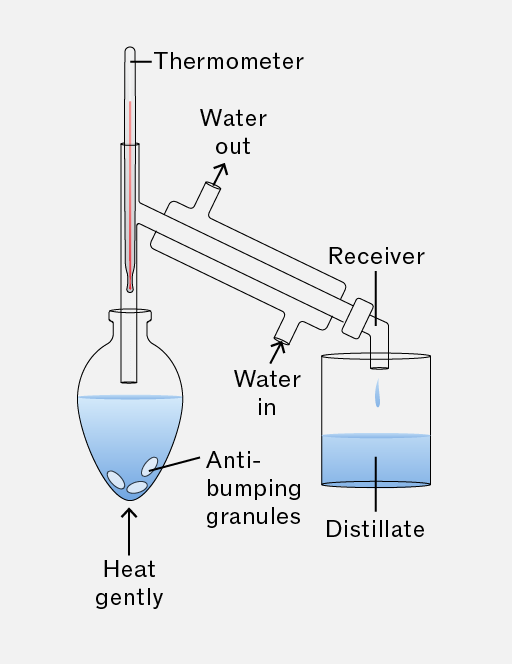
Part 2 – The purification of 2-chloro-2-methylpropan
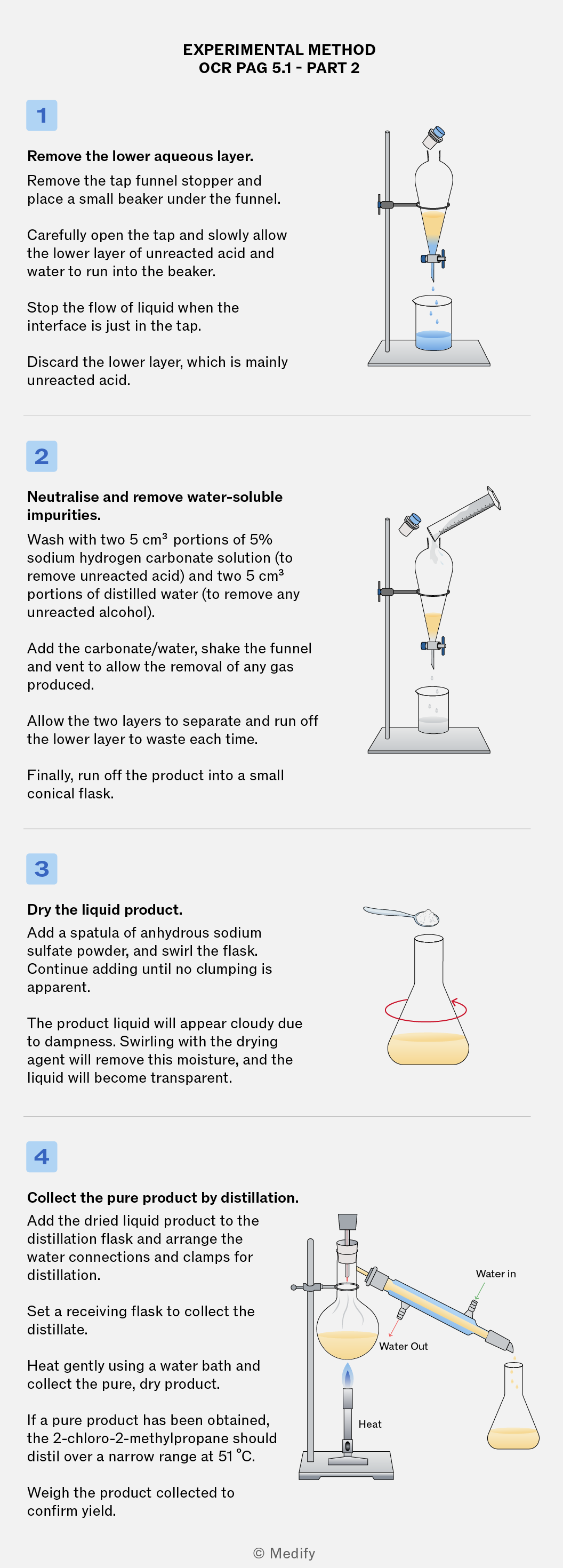
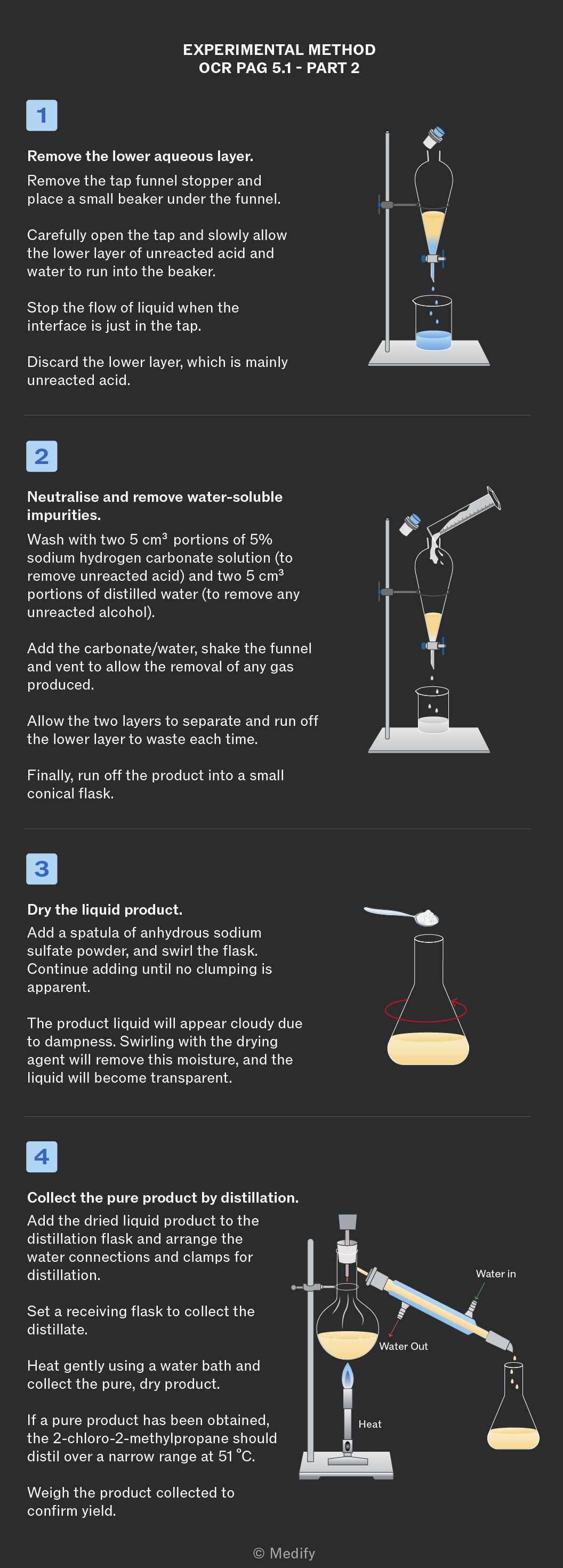
Vapour can be produced when volatile substances are mixed in a separating funnel.
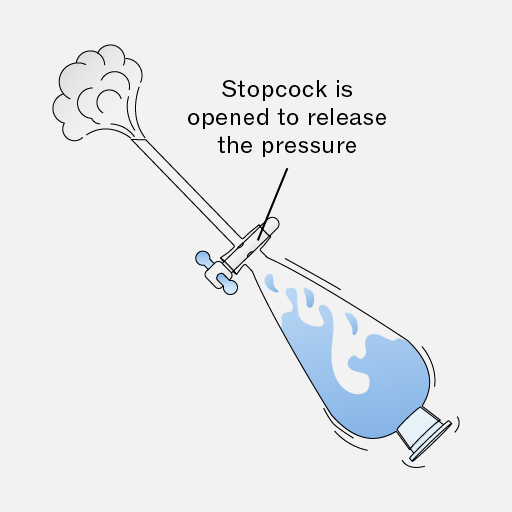
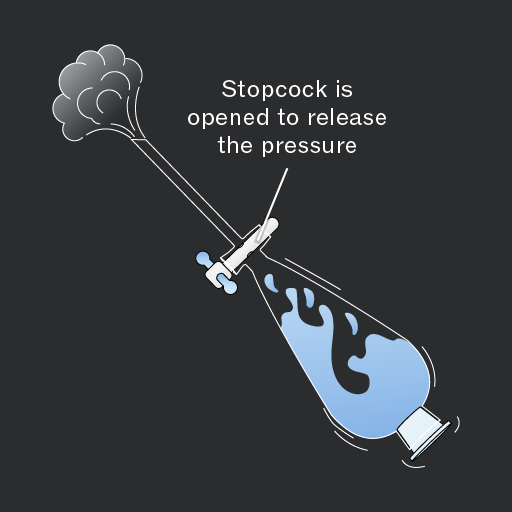
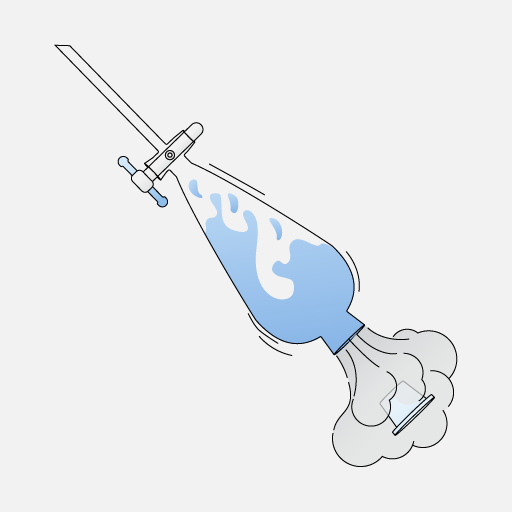

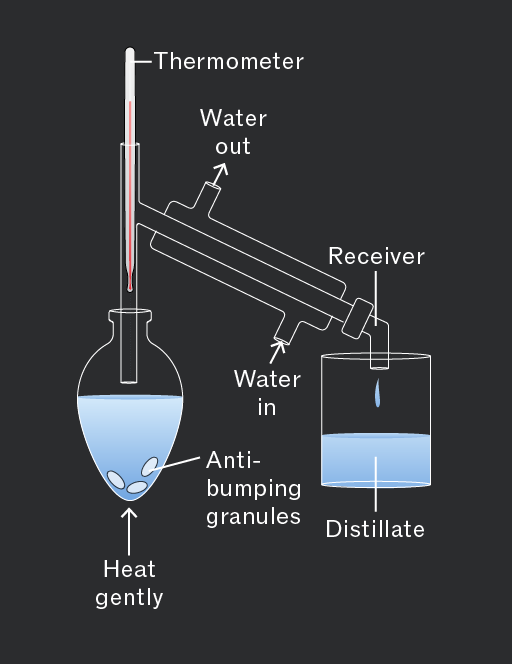
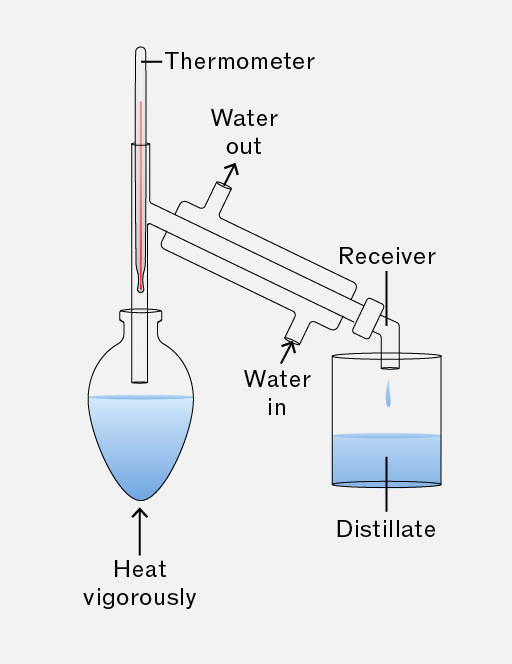
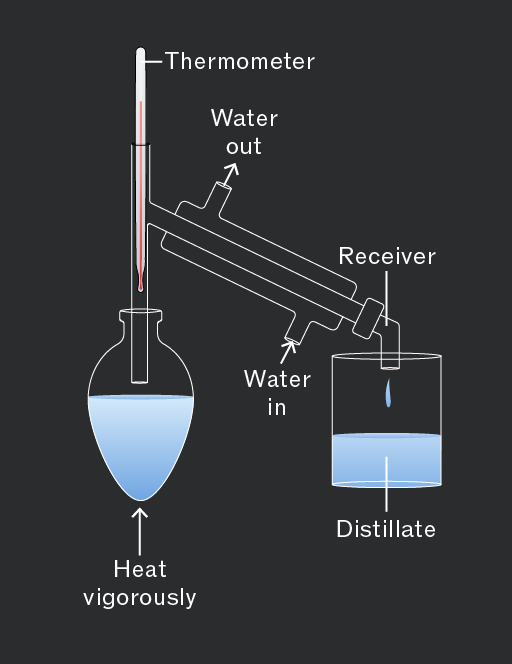
The distillation process requires careful setup to avoid loss of product or accidents.
Use the balanced equation for the preparation to identify the limiting reagent and calculate the theoretical amount and mass of haloalkane, using:
Calculate percentage yield using:
A yield below 100% is expected because product is lost during transfers, separation, and purification.