
PAG 1.3 - Determination of the Formula of Magnesium Oxide
On this page
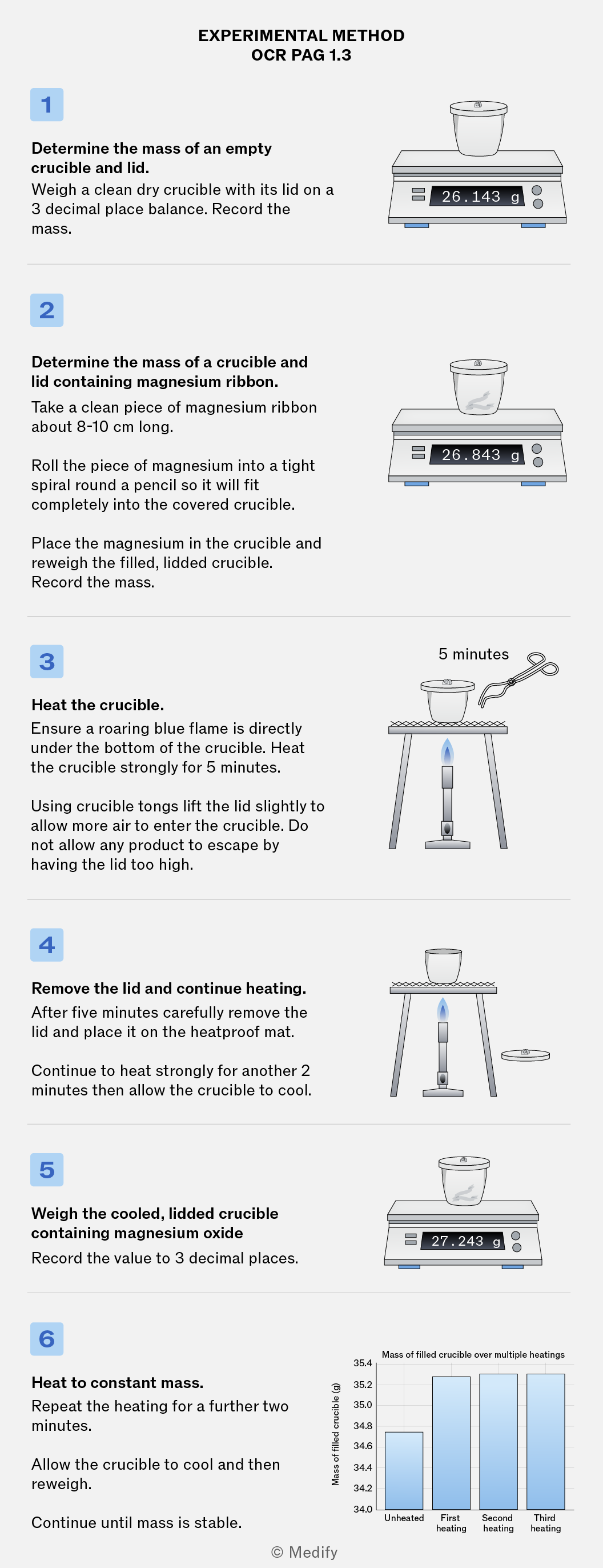
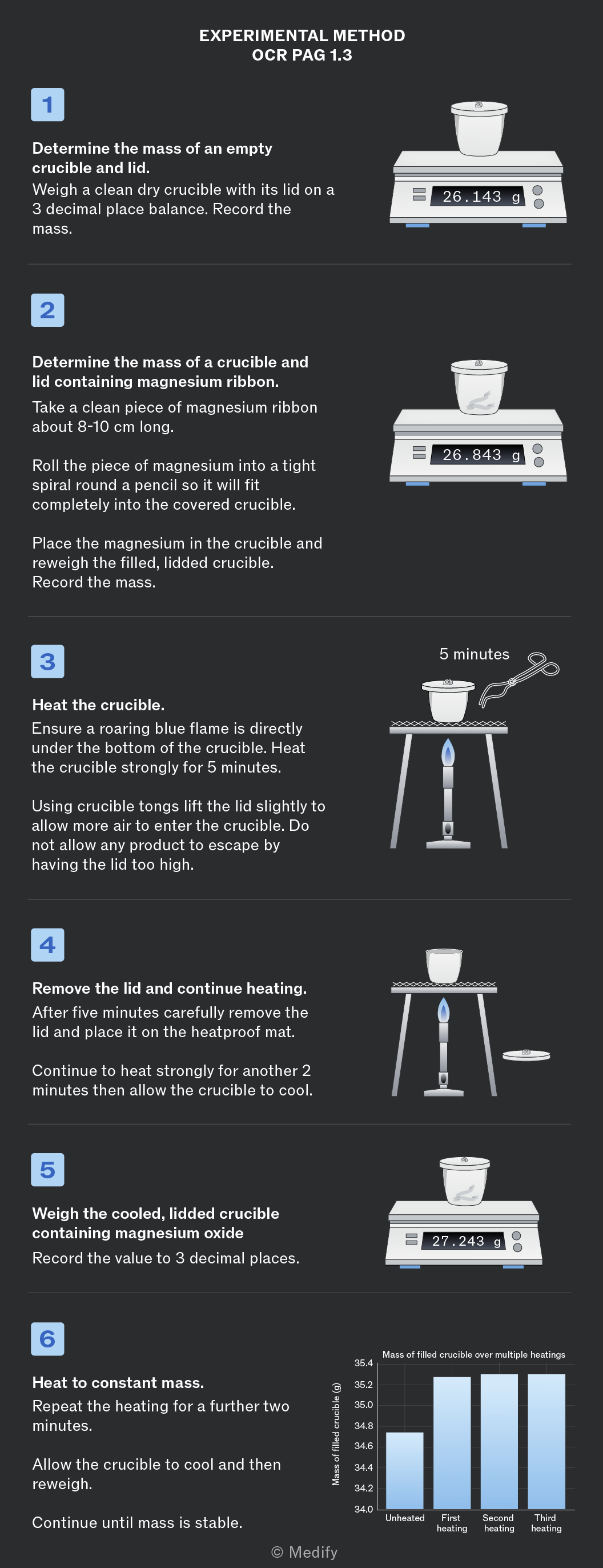
In OCR Chemistry Required Practical 1 (PAG 1.3), the empirical formula for magnesium oxide is determined. Magnesium ribbon is heated in air to form magnesium oxide, and the change in mass is recorded.
From these results and the use of relative atomic mass data, the empirical formula for magnesium oxide can be calculated.
In OCR PAG 1.3: Determination of the formula for magnesium oxide, there are several important safety requirements to be aware of (beyond normal lab practice such as wearing goggles).
- Apparatus will become hot – do not touch.
- Magnesium will produce bright light when heated – do not look at this light.
- Do not place the magnesium ribbon into the Bunsen flame.
Experimental method for OCR Chemistry Required Practical 1 (PAG 1.3)
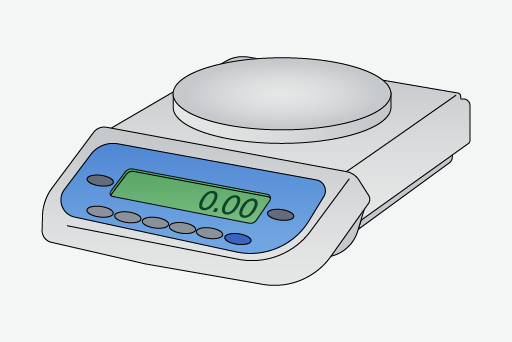
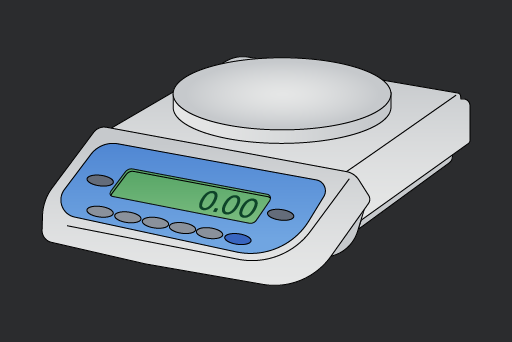
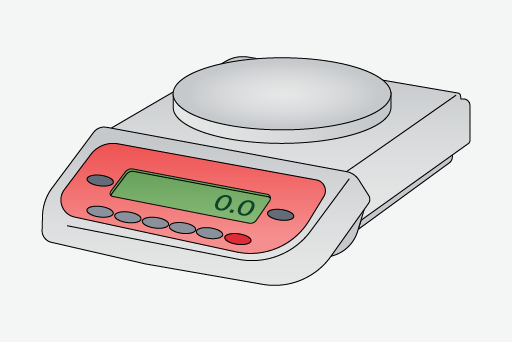
The precision of the balance used is critical for ensuring the accuracy of mass measurements and subsequent calculations.
Calculate the mass of used and the mass of gained from masses weighed during the practical. Then convert both to moles using:
Then find the simplest whole-number mole ratio to determine the empirical formula.