
PAG 3.3 - Determination of enthalpy changes of combustion
On this page
In OCR Chemistry Required Practical 3 (PAG 3.3), calorimetry is used to measure the enthalpy change of combustion for given alcohols.
Combustion of a known mass of an alcohol heats a known mass of water in a copper calorimeter.
The enthalpy change of combustion is then calculated for 1 mole of the alcohol using the equation:
In OCR PAG 3.3: Determination of enthalpy changes of combustion, there are several important safety requirements to be aware of (beyond normal lab practice such as wearing goggles).
- Spirit burners get very hot during use – take care when handling after heating.
- Inhalation of certain alcohols can cause harm.
Experimental method for OCR Chemistry Required Practical 3 (PAG 3.3)
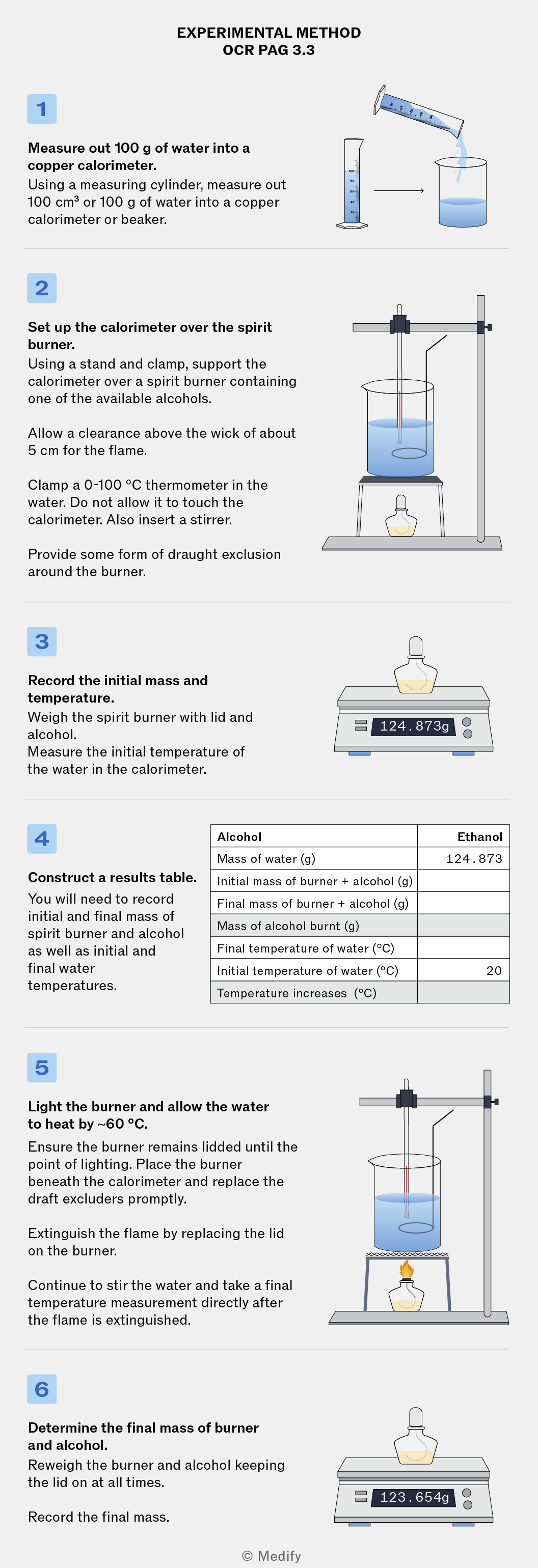
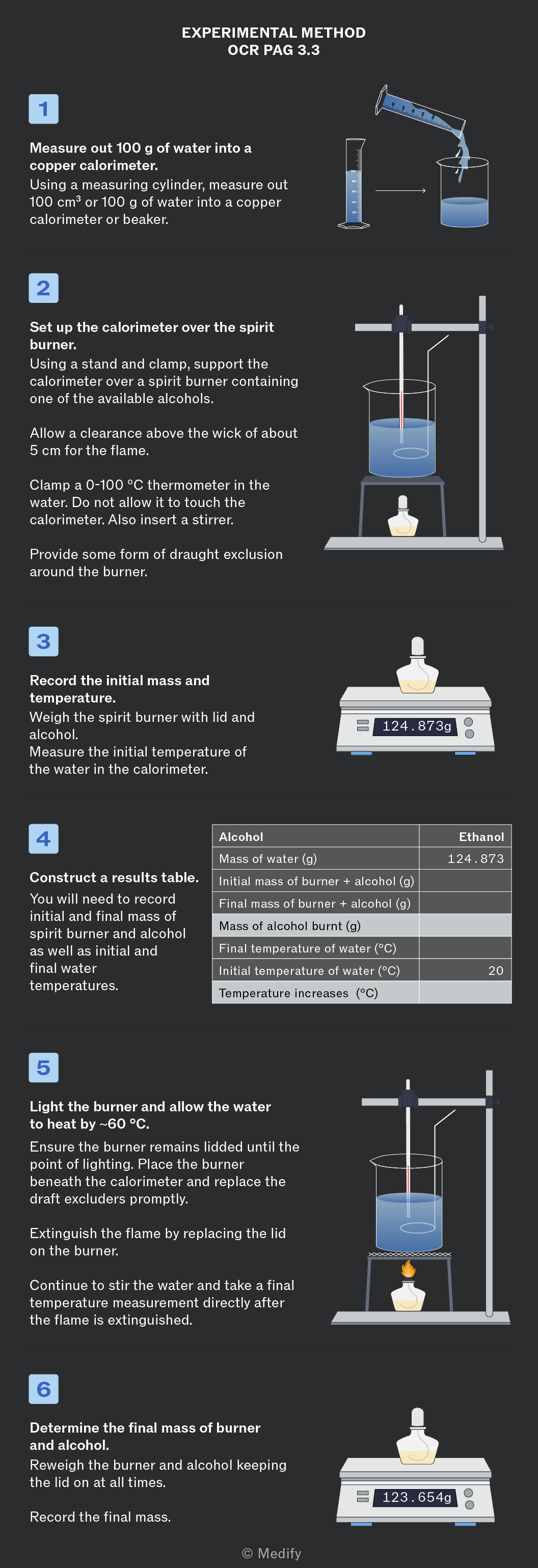
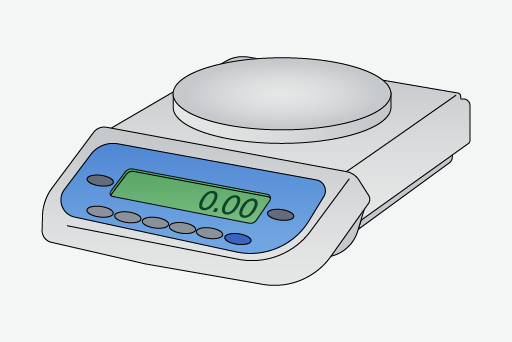
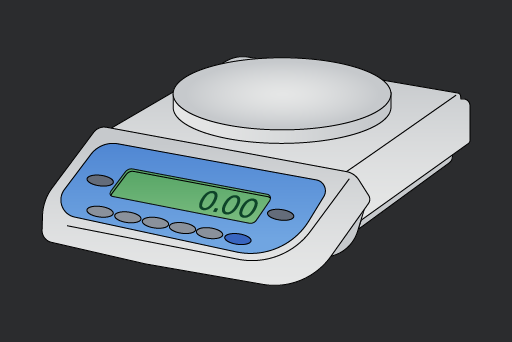
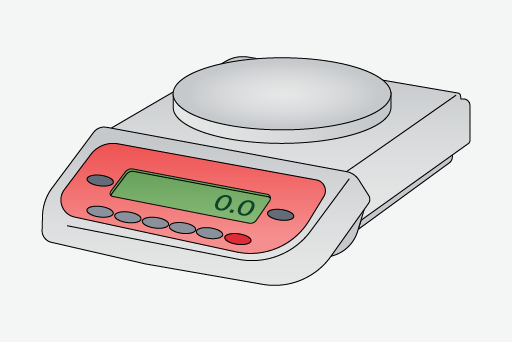
The precision of the balance used is critical for ensuring the accuracy of mass measurements and subsequent calculations.
Calculate the energy transferred to the water using:
where:
- = heat energy ()
- = mass ()
- = specific heat capacity ()
- = change in temperature ().
Remember to check that the units of mass (grams or kilograms) you use in the calculation correspond to those used in the specific heat capacity you are given.
Use the change in mass of the spirit burner to calculate the moles of alcohol burned, using:
Then calculate the enthalpy change of combustion using:
( will be converted into kJ for this equation)