
PAG 1.2 - Determination of the relative atomic mass of magnesium
On this page
In OCR Chemistry Required Practical 1 (PAG 1.2), you will measure the volume of a gas to calculate the relative atomic mass of magnesium metal.
An accurately weighed mass of magnesium ribbon is reacted with hydrochloric acid. The volume of hydrogen gas produced is used to calculate the moles of hydrogen and, therefore, the moles of magnesium.
Magnesium is a Group 2 metal that readily reacts with hydrochloric acid; hydrogen is produced in this reaction.
You will use the relationships between moles and gas volume, and moles and mass to determine a value for the relative atomic mass of magnesium.
In OCR PAG 1.2: Determination of the relative atomic mass of magnesium, there are several important safety requirements to be aware of (beyond normal lab practice such as wearing goggles).
- Sulfuric acid is an irritant – avoid contact with skin and eyes.
- Immediately clean up any spills of acid or alkali.
- Flammable gas is produced – be sure there are no naked flames in the lab.
Experimental method for OCR Chemistry Required Practical 1 (PAG 1.2)
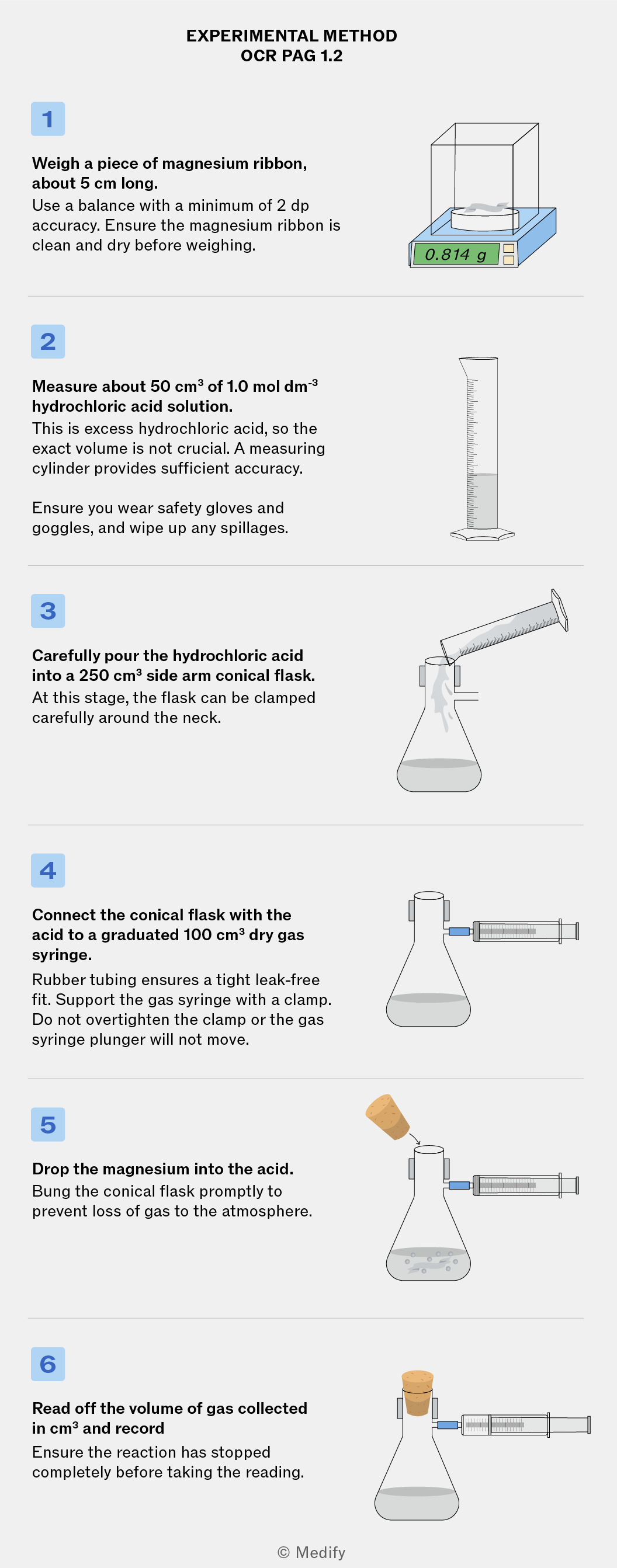
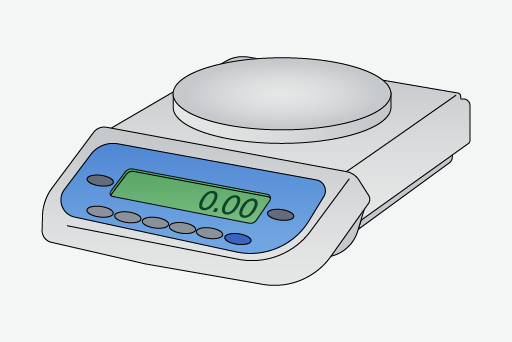
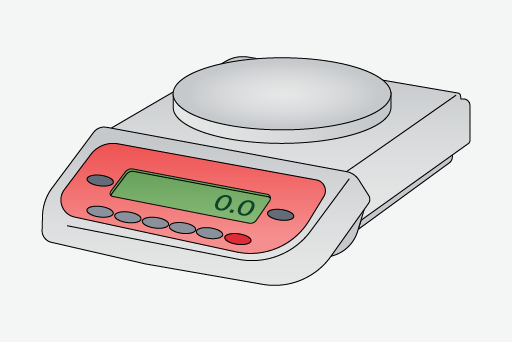
The precision of the balance used is critical for ensuring the accuracy of mass measurements and subsequent calculations.
Use the volume of collected to calculate moles using:
From the balanced equation and are in a 1:1 mole ratio, so the moles of equal the moles of
Calculate the relative atomic mass of magnesium by using: